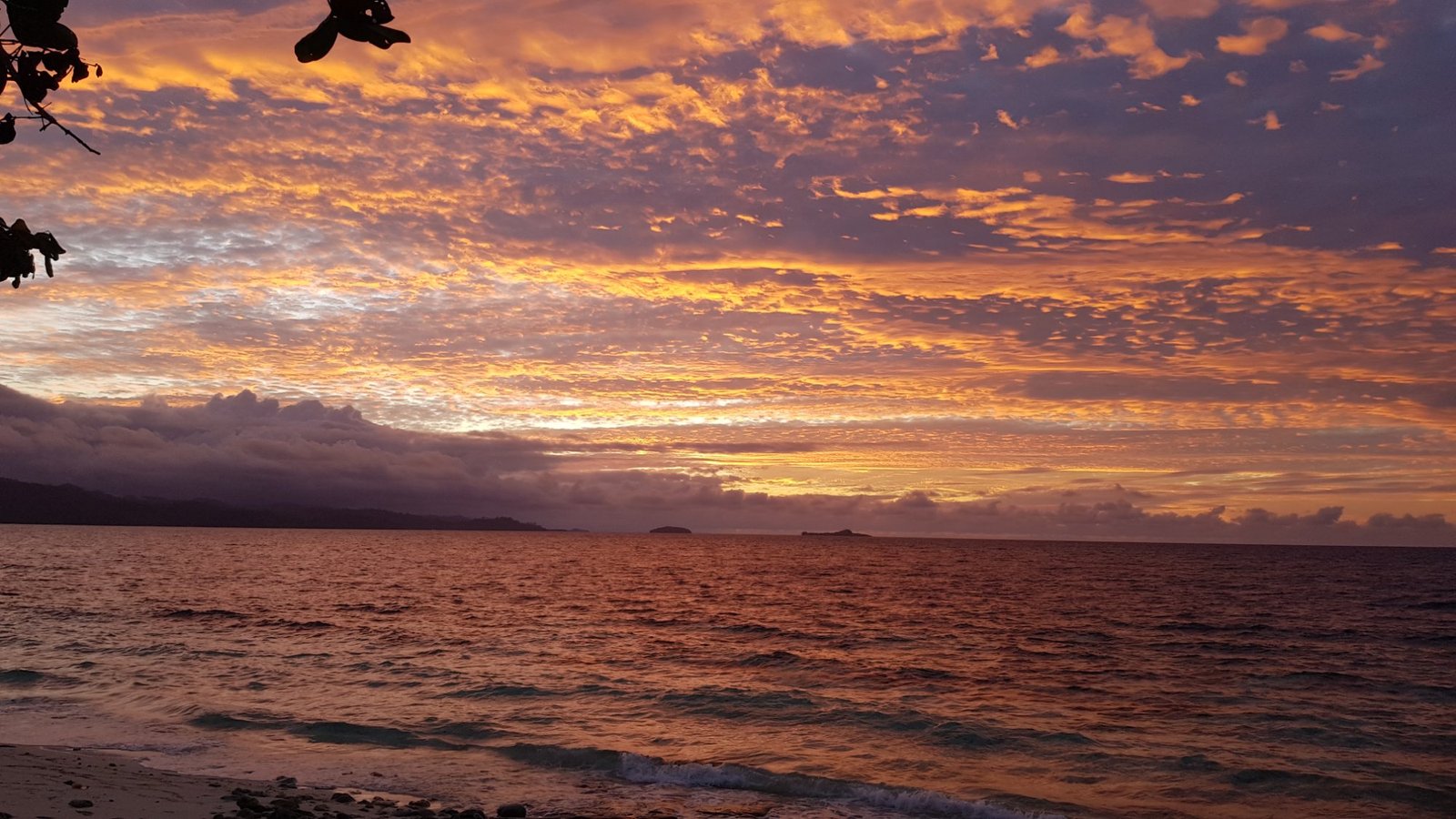
The decision had been made long ago. We set off for Indonesia, the seventh-largest country on earth if one counts the endless expanses of sea that belong to this ancient and varied land, composed of more than 17,000 islands.

The journey to Jakarta, the monstrous, ultra-gigantic megacity on the western end of the island of Java, was long and exhausting. This year, too, we drove down to my father's ancestral home, to Čatež ob Savi, where our good aunt Elka took us the last forty kilometres to Zagreb's Pleso airport, which turned out to be pleasant and modern. There we waited for a Qatar Airways plane to carry us to Doha, a city set in the maritime heart of the Arabian Peninsula — the largest peninsula in the world, practically a subcontinent, and a kind of giant springboard into the remotest corners of Asia and Africa. The flight there took five long hours. The weather was clear, and from my little window I watched the great cities strung along our route: Beirut in Lebanon, then the menacing darkness over the desert reaches of Iraq, the endless illuminated oil fields of Saudi Arabia, fairy-tale Kuwait, aglow with hundreds of thousands of tiny lights pulsing down below like playful, mischievous fireflies. I thought about how Europe first came to know the civilisations of India and China through Arab intermediaries, how the places we fly to today were, barely a hundred years ago, the most improbable science fiction, firing the imagination of travellers and adventurers. From this pleasant reverie I was roused by Miljana, a statuesque flight attendant, offering us refreshments. When I questioned her a little, she said she was from Zrenjanin in Serbia, that she had finished a degree in painting, and that she had met the strict criteria of this prestigious airline. All the flight attendants on board looked as though they had just arrived from some grand beauty pageant. They were impeccably groomed, their hair severely and tightly pinned, elegant and warm; it seemed to me they smiled at my person with particular charm. Their movements were decisive yet softly feminine, and they were all wonderfully young and beautiful. As they paraded up and down the plane I felt happy and important amid the elegant uniforms, the strict coiffures and the lithe young bodies of these select, excellent young women. They served coffee, tea, juices and, above all, food more delicious than any I had ever eaten on a plane. Behind all this expressiveness, this teasing performance, I sensed the precise hand of their stern, high-ranking instructresses — airborne governesses who drilled the flying maidens hard and, across countless courses, impressed upon them the strict etiquette that has launched Qatar Airways into the very top tier of the world's airlines.
I thought about how the places we fly to today were, barely a hundred years ago, the most improbable science fiction, firing the imagination of travellers and adventurers.Primož Zevnik · above the Arabian Peninsula, 2026

And so we landed. Though it was the middle of the night, the air outside was humid and hot; the temperature never dropped below thirty degrees Celsius. Doha's airport was nearly new, hyper-modern and clinically spotless, barely a few years old, yet gigantic. And before us lay our first trial of nerves. It was midnight local time, and we faced an endless eight-hour wait, as if under a spell, for our connecting flight to Jakarta. The airport clerk could not help us, and so our hopes of being given accommodation dissolved — we supposedly belonged to the category of passengers entitled, on account of the long layover, to a free stay courtesy of the Qatari carrier. So we made our way to the hotel built into the airport complex. The reception desk inside the terminal was packed. Mostly it was Saudis, Qataris and Lebanese — and the odd European — asking for rooms for their large families and their numerous wives. With studied nonchalance I tossed onto the reception counter my diving fins wrapped in a plastic bag, together with the sleeping pad I always carry with me. The receptionist examined this junk on his counter attentively, smiled with Arab cunning, and informed us that only a suite was available — at 590 euros a night. His eyes gleamed with mockery; he knew we did not stand the slightest chance. Vesna and I exchanged a sorrowful glance, and soon we were trudging dejectedly towards some sort of communal recliners. There we separated: Vesna went off to the women's section, while my son and I remained in the wider, more comfortable section for men. The chairs resembled mangled gynaecological examination couches from some cheap public hospital. Jakob and I settled in, straddled them, and tried to fall asleep. Beside us, the races of the whole world took turns. Now our neighbour on the left was a towering Nubian, now on the right a slight, short-legged Korean; then from the right grumbled a mestizo of curious skin tones, answered from the left by a black-bearded Persian. The races changed swiftly and precisely, to the rhythm of the relentless airport clock. I took endless delight in this free anthropological theatre, possible only at the great international crossroads of the air. And just as we were dozing off, a hideous, muffled racket arose. Across from us, some Mongol with Central Asian features was snoring like the dead. An Uzbek, perhaps, or a Kyrgyz. He snored in the melody of pig-grunting and goat-bleating. His Arab neighbour started from a deep sleep, leapt to his feet and jabbered loudly, flailing his arms at the boor; then he gathered up his rags in protest and stormed out of our peaceful resting place. Our Mongol — nothing. The room was stirring dangerously. People squinted blearily at him as the Kyrgyz rattled on from the deepest recesses of his lungs and clogged nostrils. They rolled over, pulled covers over their heads, and tried to catch the few wretched hours left before morning. The Mongol sawed on, unpunished. Now he sang in the melody of a horse's whinny, now he mimicked the winds of the Gobi Desert. Then he cawed like a crow and brayed like a donkey; at one point it sounded exactly as though he had just relieved himself in the middle of his ailing old mother's yurt. Not all the melodies could I place. The Mongol's long, infirm lament was growing eerily expressive and lifelike. By now the whole room was awake. Passengers of every race and every creed were, at last, united: everyone hated the wretch and would gladly have drowned him in a spoonful of water, had such a thing been possible. I myself wrestled with the idea of simply strangling him. And yet the sequence of his grating, menacing dirges was too artistic for that. So I stood up, hauled myself over with some effort, descended upon that unfortunate corpse and shook it firmly. The Uzbek woke, flinched in the quiet horror of his nightmares, and looked at me, pleading and frightened. I pointed at him and rebuked him sternly: he was not to snore, we could not sleep… The chance passengers in the lounge shot me grateful looks; the poor fellow apologised humbly and promised in no uncertain terms that he would sing no more of his windy laments about goat-bleating and leaden mud. At the same time he watched me furtively with his dark eyes, as only true, indigenous Asiatics know how. And indeed he snored no more. For an hour or so Jakob and I fell into a feverish sleep. I woke with a jolt. New people were murmuring quietly in the room; of the Mongol there was neither sight nor sound. With Vesna we hurried, bleary-eyed, down the endless corridor towards the gate, from which we were carried off to the modern wide-body aircraft bound for Jakarta.
We took off a few minutes past eight in the morning and flew on, endlessly. This time we were waited on by Indian, Hong Kong and Arab flying maidens with vivid eyes and exotic looks. Our section was assigned to Pallawi — which in Hindi, she said, means a new beginning, or so she claimed. We too exchanged a few words while I was stretching my legs at the back of the plane. She was a true Indian beauty; by the colour of her skin I would have placed her somewhere in the upper middle of the middle castes. She came from northern India, had completed a degree in something like management, and asked whether I had ever been to India and where we were headed. I explained everything in brief, and off she vanished down the wide aisle to top up coffee, juice and water. Whoever among the Qataris recruits these exotic beauties, one must concede he has an exquisite, finely honed taste.
We landed at half past nine in the evening, local time. Soekarno-Hatta airport was downright colossal. It serves the second-largest urban agglomeration in the world, home to roughly thirty million people. Jakarta, alongside Lagos, is one of the most polluted cities anywhere, and the island of Java holds the inglorious first place as the most densely populated island on earth. As our taxi carried us to the nearest airport hotel, the air trembled with humidity, smog, and the stench of smoked rot. In every Asian country the stench is different. The Thai stench is sweetish; the Cambodian closer to a broad palette of purulent shades; the Indonesian stench, by contrast, was darker — a blend of rotting furniture, of a musty room full of naphthalene, and of fresh, sickly humanoid diarrhoea. The surroundings beyond the airport were typical of the third world: filthy streets, endless, inexhaustible traffic, rubbish dumps on the roads; countless motorcyclists honked at full blast, carving their way through the chaotic order of ruined roads, kitschy hovels, makeshift encampments and ultimate greyish grime. The taxi turned into a gated compound where we spent the night in the small, cramped rooms of a relatively clean hotel, and early the next morning we tore back to the airport, to the domestic terminal. It turned out we had been cruelly mistaken: the airport is so enormous that individual local carriers have terminals entirely their own. I had never seen that anywhere. So the sky train hauled us to the AirAsia terminal, where we finally boarded the plane for Bali. After an hour and a half of calm flight we landed in Denpasar, the capital of that famous Hindu island, encircled on all sides by orthodox Indonesian Islam. Here our travelling adventure would only properly begin.
So — now we are on the other side of the globe. We will be searching for the mysterious, fairy-tale island of Taka-Tuka from Pippi Longstocking. Bali itself, of course, is a story for next time: the story of a vivid fairy tale out of the Thousand and One Nights, dealt its final, mortal blow by mass tourism. When we first fell asleep in a quiet family guesthouse in Ubud, in central Bali, the flight attendant Pallawi sang to us through the veil of dreams from the Indian Mahabharata. Her eyes glowed like white-hot millstones.
Bali — The Murdered Island
Bali is a singular island. It lies at the westernmost end of the Lesser Sunda Islands in Indonesia. It is roughly four times smaller than Slovenia, yet nearly five million people throng upon it, joined over the course of each year by some seven million tourists — and the number keeps growing. The Lesser Sundas stretch all the way to East Timor. Nearest to Bali is Muslim Lombok, which, with the little Gili islands, is a destination familiar to many of my compatriots. The islands beyond Lombok are unknown to the average European. To me, the most interesting are today's eastern Nusa Tenggara — the former Flores — and Indonesian West Timor, which together with their archipelagos cover as much ground as Slovenia, Croatia, Bosnia and Serbia combined. Both islands are peculiar in that a Catholic majority lives there, the legacy of a long Portuguese colonial inheritance.
Be that as it may, Bali is Indonesia's most famous island, and although the numberless tourists may seem an economic blessing to its inhabitants, the truth most likely lies far from that. Bali is special because the majority of its people are Hindus who, beneath the surface, have remained faithful to their ancient Malay animist tradition. The locals are unbelievably serene, always smiling, endlessly benevolent, and very attentive, in their tradition and their faith, to honouring the spirits of their departed ancestors. Each year they receive them festively and open-heartedly: they dress the statues in their shrines in ceremonial garments, decorate the streets and their homes, put on traditional clothes, welcome with open arms their relatives from near and far, and together in their temples offer incense, myrrh and burnt offerings to the spirits of their dead forebears — solemnly inviting them, on that day, back home, into their old earthly dwellings… We were lucky: on the very day we were leaving Bali for North Sulawesi, this greatest of island feasts took place. On the 24th of July, according to ancient, millennia-old beliefs, good conquers evil, and the locals throw their doors wide open to all the departed. In ceremonial dress they await their late grandmothers and grandfathers, great-grandmothers and great-grandfathers and all their other ancestors, that these might join them in the paradise and peace of a tranquil home — at the centre of that universal communion of the bodily and the spiritual world which rests wholly in the power of the living family: an absolute that generates good in a world of encircling evil.
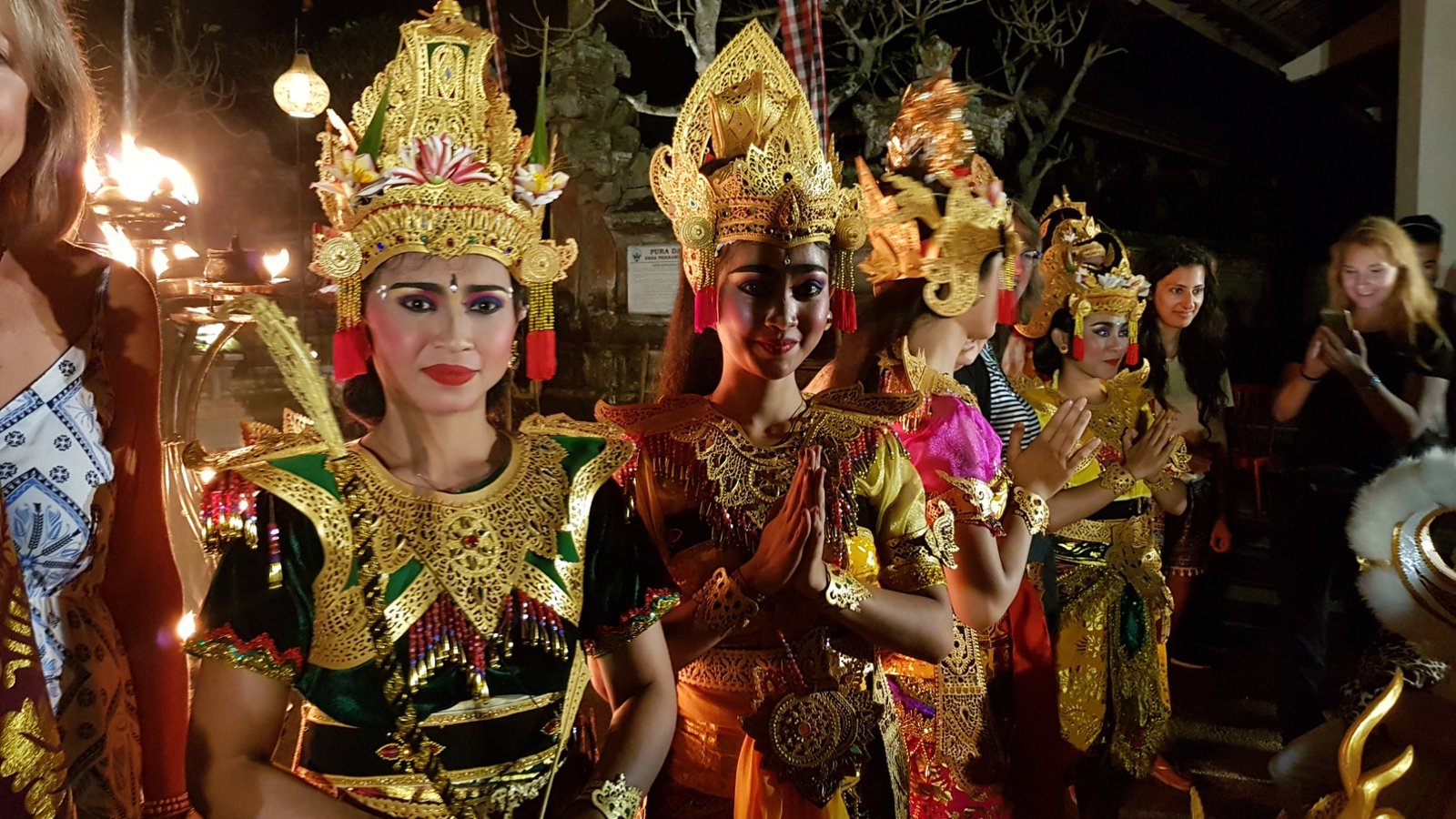
But I must begin earlier, a few days before the feast. I must begin with the horror, the despair and the dark ruin of this once-flourishing island. When we arrived in Denpasar, the island's capital, it was early afternoon; the flight from Jakarta had been comparatively short, only an hour and a half. We had decided not to spend our first four days somewhere on the Balinese coast, but to head instead for the most celebrated town of the interior — royal Ubud, which boasts a glittering history, a magnificent royal palace, tranquil gardens, dramatic rice terraces, sacred monkey forests, a museum of art, numerous town temples, and an ancient iconography blending Hinduism with still older animist beliefs. The legends of Bali, of its wondrous opulence and wealth, were carried out into the world by the Dutch colonisers. Many of their first sailors and adventurers, soon after landing on the island, were already feverishly embracing and coupling with the small, bright-eyed, round local women. After that, they refused at any price to leave. They hid from the governor and the authorities in holes, in dugouts, in the dense jungle. Together with their new lovers they explored the long, steep ravines, the limpid pools, the crystal rivers winding down from two extinct volcanic peaks. They ate tropical fruit, drank coconut milk, and the women pampered them like veritable gods, carrying to their mouths the choicest pieces of fragrant mangosteen, pineapple, passion fruit and dragon fruit. The trees bowed under bright, perfumed fruit; out of the warm, turquoise-crystal seas leapt vivid fish of strange shapes and colours such as the men of the cold north had never seen. The Malay women were fertile and willing, far younger than the grey-bearded, stiff and mostly work-shy men — reputedly insatiable in their tropical lust and savage innocence. They went bare to the waist, and their small, Polynesian-rounded breasts lured the greybeards' gazes from day to day, from hour to hour. They did not understand what sin was, what shame was. With their scantily veiled bodies they inflamed the rigid Protestant imagination of those poor wretches. The children multiplied from year to year, from generation to generation; on land and in the sea there was abundance of everything, and soon a second, then a third generation was living on the island. Years passed like days, decades like seconds. Slowly the legend of a paradise archipelago in the southern seas spread across the world. Painters and artists began to arrive on the island, hosted by the king.

The German-Russian painter Walter Spies bought himself a residence near the royal palace and transferred the magical visions onto paper. He painted the life of the locals, scenes of wild nature, of enchanted gardens, feasts, vivid tableaux, mysterious magical figures of wild beasts and plants that stir the human imagination to this day. The image of paradise we behold in those paintings is strangely familiar. In his pictures the artist brought near that paradise which forms part of our ancient, indeterminate and suppressed dreams of the magical garden of the universe, from which the good Lord expelled us. Then came the anthropologists, investigating and discovering the fifth, brown race of mankind… Bali — its mysterious images, its archetypes of carefree paradise, of plenty, of legend, of a sensual Eden amid clear, unspoiled pools, of dancing girls whose art of love could bewitch even the most misanthropic and unsociable old man — became the universal image of everything magical and mysterious that awaited European adventurers and travellers in the unimaginably distant southern sea. Later, when the Dutch had gone, and when the implacably savage and brutal Japanese had gone — who in the Second World War decimated and massacred South-East Asia — Bali became part of the vast new state of Indonesia, which would no longer suffer colonial dictate. Though the rulers changed, the myth of the miraculous paradise island proved indestructible, anchoring itself firmly among the images of longing of the European and the American. Slowly, new generations discovered this distant paradise, now in modern guises — with steamships, the first aeroplanes, the first automobiles, for which thousands of hectares of the island's most fertile soil were ploughed under. Later, once the airport was built, no one could stem the influx any longer. The island drew, with inexplicable force, a new labouring mass — hundreds of thousands of poor coolies from across Oceania, now at the service of the numberless tourists. Today the planes land and take off every minute; the endless serpent of Australians, Americans and Europeans has long since trampled everything that was once precious, royal, magical and exceptional. They have occupied every corner of the island and slowly turned it into the generic hell of mass tourism. The locals, meanwhile, have multiplied like locusts; the once narrow roads and pavements have been carelessly destroyed; the island has been fouled with the countless exhausts of the world's automotive refuse; the island's arteries are choked with scooters; heedlessly, the last scraps of space have been built over along the roads linking the island's north and south. And so, along the rutted, narrow, ruined ways there now runs one single endless settlement — numberless dwellings, hovels which, in concert with the newly built villas, brutally disfigure the tropical landscape. Here winds an endless, almost stationary column of stinking, toxic traffic; thousands upon thousands of Western tourists on rented motorbikes and in air-conditioned Japanese cars stand in unending queues flank to flank with the locals. The air is fouled with grey friability, everything is stifling with poisonous smog; along the roads beckon numberless, interminable restaurants and bars, and the prices of everything run up to ten times higher than elsewhere in Indonesia. Endless masses of tourists occupy the shops, the massage parlours, the markets, generically photographing shrines about which they know nothing and wish to learn nothing. All is chaos; the rare disabled tourist stands helpless before the obstacles on the pavement. Here someone has walled something on; there someone has strewn sand; a fourth keeps his fleet of rental scooters parked across the walkway… And the myth of the unattainable paradise, of the endlessly beautiful Eden, faded into silence long ago.

Its seekers have brutally trampled it underfoot. The shore is strewn with plastic; upon it endless multitudes sun themselves and dip their pallid backsides in a sea polluted with every imaginable filth; raucous Western music blares from the bars; the locals, with greed and contempt, sell this endless throng overpriced ice cream, alcoholic drinks of dubious origin, and counterfeit Chinese textiles as though they were spun of solid gold; in the coastal quarters they whisper to ageing passers-by of Viagra, drugs and prostitutes — though possession of opiates in this country is punishable by death. The island's entire economy, every second of precious time, compels the locals to milk, without compunction, this numberless herd, which visits the famous, important places from the agency catalogue and heedlessly photographs itself for the many social networks. As they photograph themselves, they sell — in their little virtual shop windows, to their generic followers — their own colourful ego, the feeling of being special and superior. Every second, thousands of identical photographs are produced on the island, bearing the same generic images, forgotten by the following minute. The natives of Ubud seem to look on with indifference at the pollution, the noise, the stench and the chaos of their town. The present generation will be the first in the island's long and rich history to deal the mortal blow to the centuries-old redemptive myth of an unspoiled paradise, transforming it into its hellish opposite. Nor did we ourselves know how to escape it all. We too went to look at the famous rice terraces; we too took dozens of the same generic photographs. We too visited the royal palace and marvelled at the religious images, statues and shrines of aristocratic Ubud, sunk in the hell of mass-touristic hell, of stench, of chaos, of the absence of any urbanism or tolerable public life. And so we went to see the sacred monkey forest in a village eighteen kilometres away, of which no catalogue speaks. We were alone in a wondrous, ancient wood sown with temples of the seventeenth century. The monkeys settled into our laps. They are the only ones on the island that are not aggressive; carefully, respectfully, they took peanuts from our hands. After three days amid the noise and chaos of the tourist inferno, the silence and peace of that ancient forest soothed and gladdened me. And the town of which the adventurers of the last century dreamed — mysteriously, it still exists. It is hidden in the museum and gallery which a wealthy aristocratic family bequeathed to the town. It is mirrored in the wondrous canvases of the primitivist painters and of many local sculptors, in the marvellous tales of the oriental Indian Ramayana, in photographs of a time long vanished — in everything that hovers, like a forgotten memory, above the gauze of tender visions of certain and infinite happiness far beyond the known world, in the southern sea, in the antechamber of God's paradise.
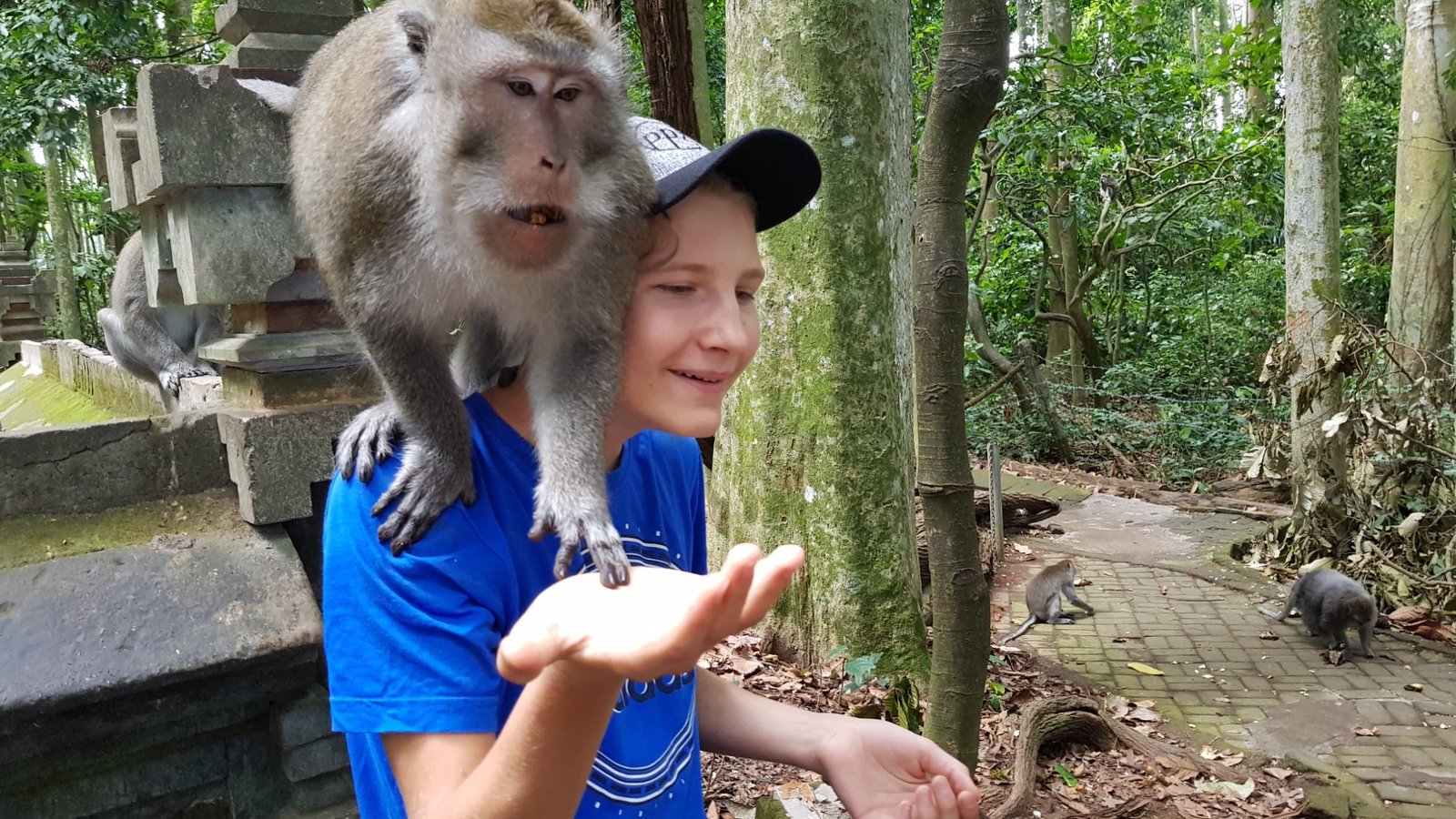
We were alone in a wondrous, ancient wood sown with temples of the seventeenth century. The monkeys settled into our laps.
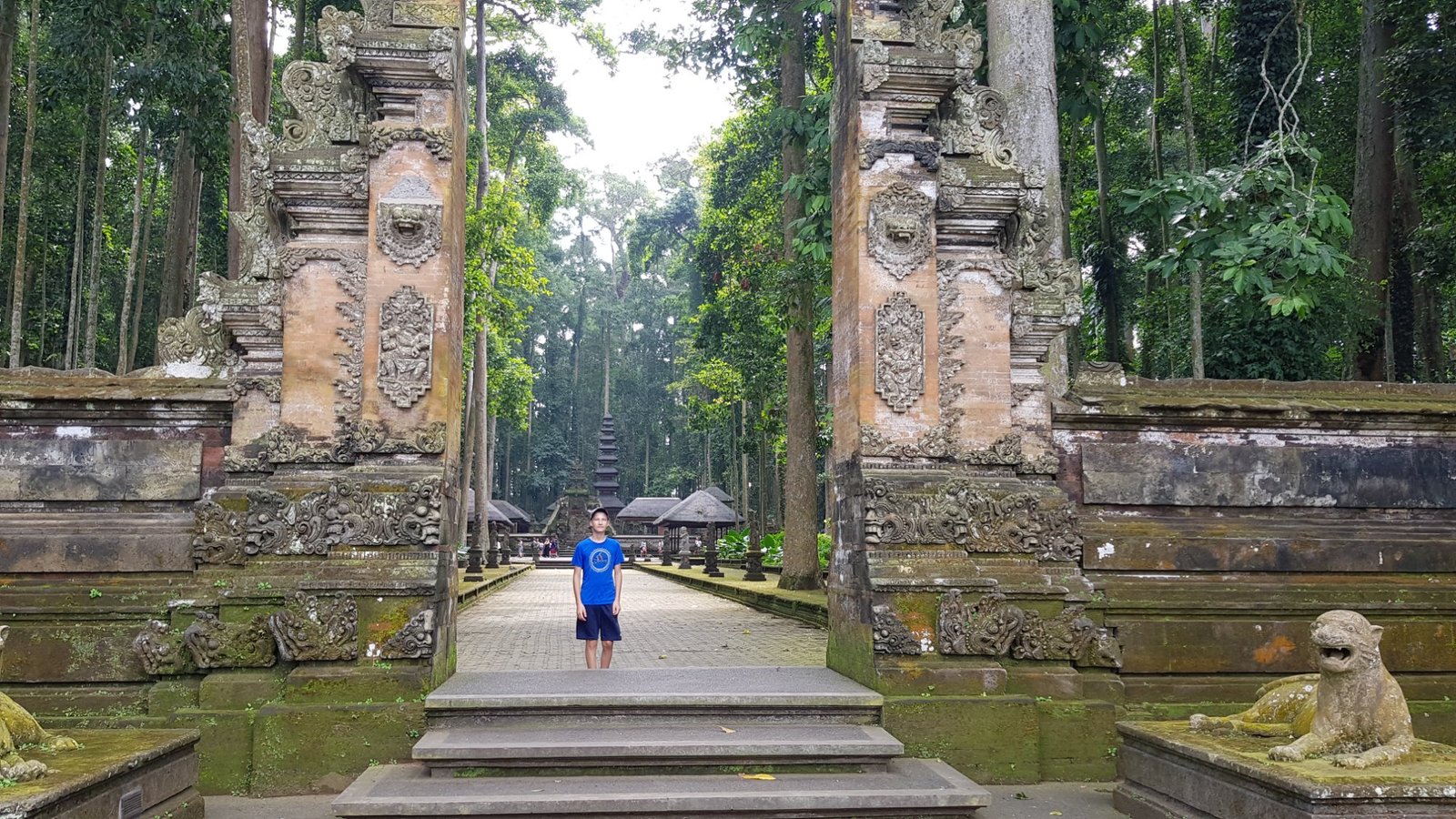
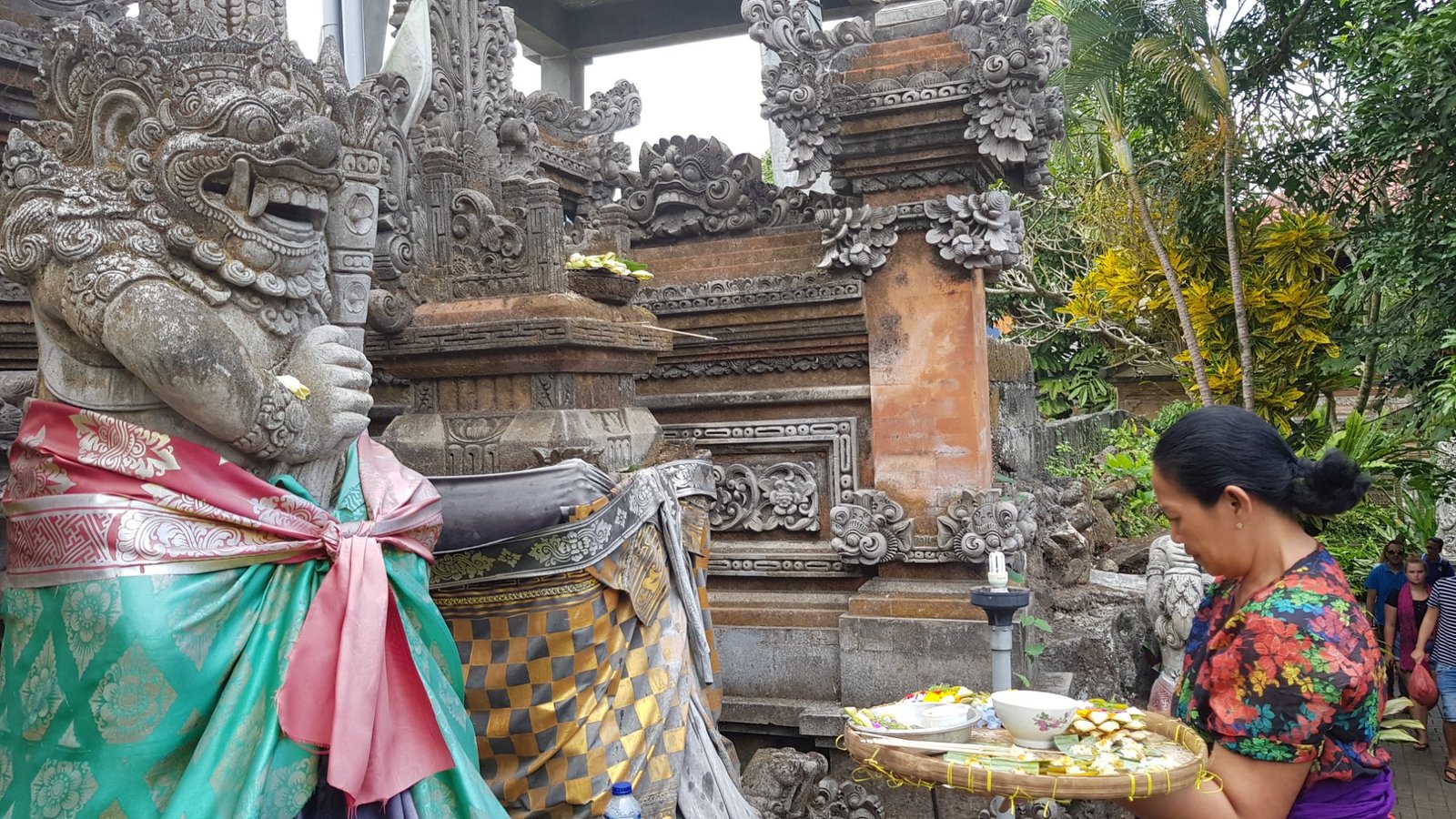
In the museum, Vesna was nearly alone, sharing it with just five other visitors. Good conquers evil here, every single year. In her home, our hostess lit incense. She dressed the figures of contorted, grotesque monkeys and benevolent elephants in bright garments. The statues guard the family, its dignity and its wholeness. The central house in the family compound is always a temple. The spiritual dimension of human existence and the world of the dead are simply the other face of these people's lives. In the house-temple, the generations live together — firmly, inseparably. Every member of the family radiates an inner peace; there is no aggression in them; they give you a broad, sincere smile, unaffected and humanly kind. And life within the walls, watched over by contorted, grotesque, motionless monsters, is quiet, serene and endlessly pleasant. The chaos, noise and hell of the everyday remain forever outside the home, far away in another dimension of time and space — one that can never harm a house encircled by its demonic household guardians.
We took our leave amid a solemn mood that was spreading contagiously through all the islanders. People had put on their festive clothes; they had shut their shops with all their sundry wares, their ice-cream stands, their massage parlours; they had closed their little boutiques and their warungs, and before their houses they had raised curved poles hung with colourful ornaments and plumes. They had decorated and perfumed their temples and set off with their many relatives to prayer. Everything stood ready for the entry of the ancestors; everything stood ready for the family
to found itself anew in the good — in the sustaining myth of its own history and its precious identity — leaving the bad behind.
Good conquers evil here, every single year.Primož Zevnik · Ubud, 2026
On the plane to North Sulawesi I watched the island of Bali from above. A monstrous volcano rose far over the landscape and over the chaotic sprawl of the endless settlement. One day, with drops of its thick, earthen blood, it will plough the island anew. And perhaps, for them, this whole demented world. Who knows. And everything, one day, will begin again.
The Coral Eye of North Sulawesi
The flight from Bali to North Sulawesi took three long hours. The island belongs to the Greater Sunda Islands, which also comprise such island giants as Sumatra, Java and Borneo. Sulawesi itself is as large as nine Slovenias and home to roughly seventeen million people. It is divided into a Protestant north and a majority-Muslim south and centre. The north, with its capital Manado, is mountainous, riddled with a dozen volcanoes, impassable jungle, wondrous solitary bays and a crystal sea.
The landing itself was dramatic: we descended towards the airport through a terrifying tropical storm. The pilot circled the thundercloud like a cat around hot porridge. Our hearts were in our throats; below, I watched solitary hamlets scattered wide across the inaccessible, mountainous jungle. In circles we sank lower and lower. Evidently accustomed to tropical adversities, the pilot delivered us safely to our destination. The airport was modestly small, and I had the feeling we had entered a different country. The women went unveiled, bright-eyed; only now could I fully take in the charming smiles of the lovely local women, freed of sheets and long, tightly wound scarves. At the roundabout outside the airport we were greeted by a great statue of Christ the Conqueror… Our driver was already waiting. His task was to deliver us as quickly as possible to the coast, whence we sailed across to the island of Bangka, to a beautiful retreat called the Coral Eye, which we had seen only in pictures on Booking. Its reviews were fantastic, so we had decided to spend five days right there, in the quiet, still solitude of a coral paradise. The drive was wild — never had I seen jungle so beautiful, so mighty and untouched. The road had been freshly asphalted, and along the way we were greeted by tidy villages and great Protestant churches built in the tropical manner — here and there a Catholic one — all immaculately kept and tended.
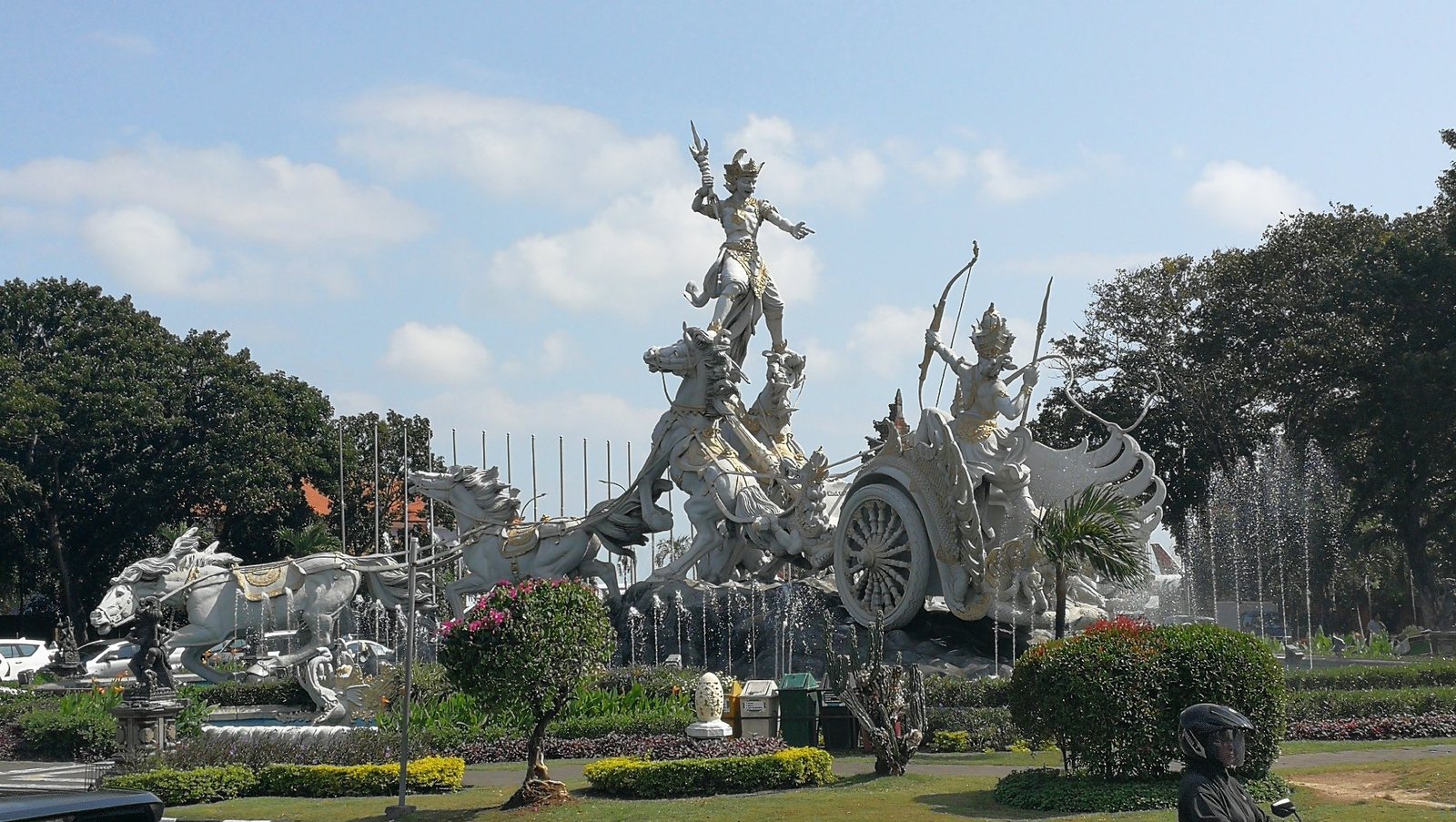
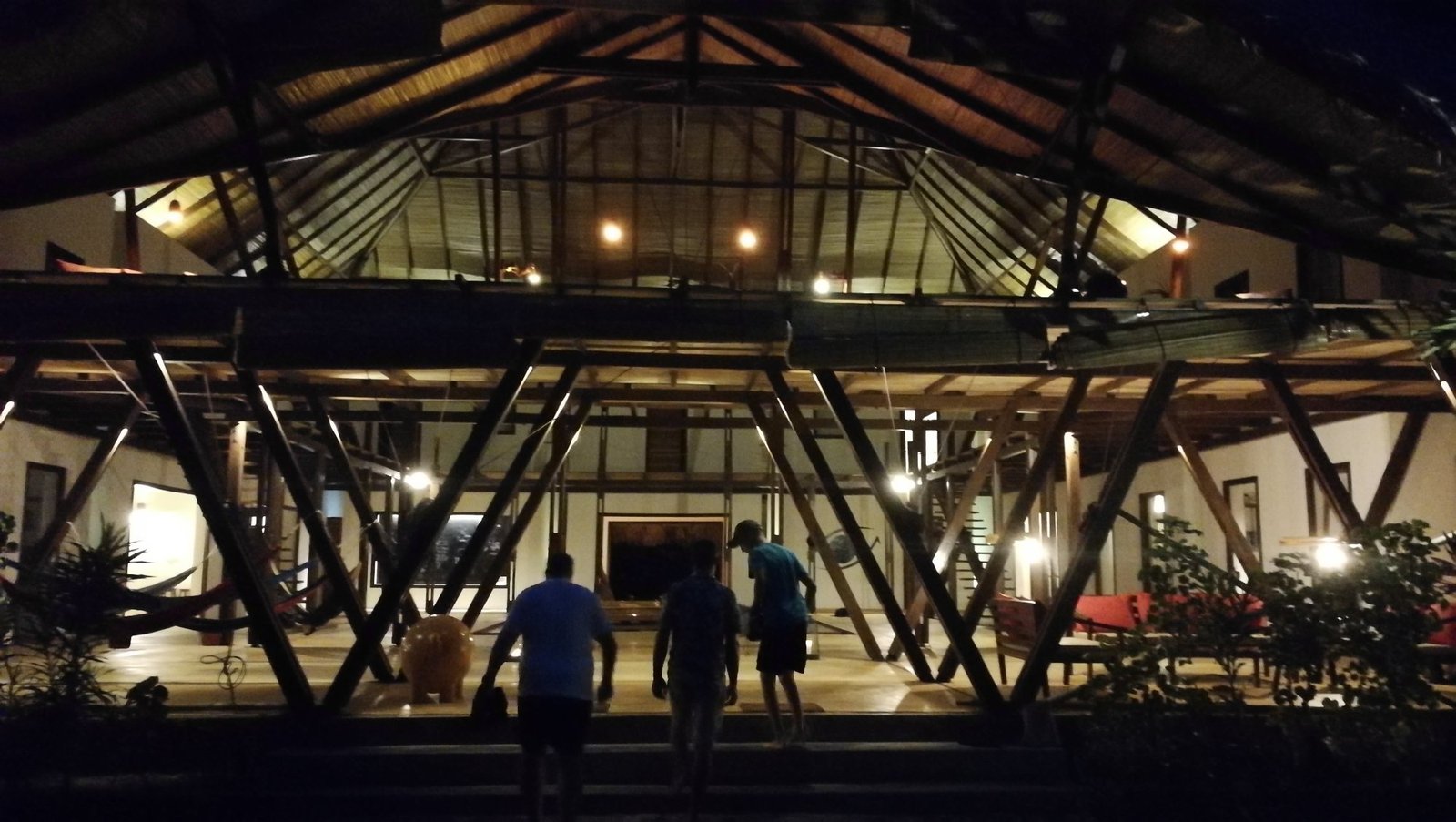
On the shore a speedboat awaited us, and beside it sat Kristian and Mirijam, who had been expecting us. They seemed our own age, perhaps a year or two older. They were marine biologists, both divers, working on the plastic pollution of the coral seas. They were pleasant and talkative. We learned that the Coral Eye is not merely a wondrous paradise for travellers but a kind of marine biological station with a laboratory, and that the two of them travel here from Germany every five months… It was night when we disembarked and found ourselves before a tall, imposing building entirely clad in coconut fronds, built in the style of tropical coastal dwellings yet discreetly tucked into the tropical flora. At its centre stood a kind of great common table where the guests gathered at mealtimes; the enterprise was run by two Italian couples, Ilaria and Marco, and Anna and Mario — it was the latter who received us. He was, by descent, one quarter Istrian. He explained the house rules, one word led to another, and soon a delicious dinner followed, half Italian, half Indonesian in its cooking. We sat, ate in the Italian fashion and chatted, while the local women employed there waited on us like countesses, course after course. Everything was trim, clean, civilised. There were a few families of us, a few biologist-divers, and an energetic Irishwoman volunteering there. The rooms, too, were spacious, and the whole experience of staying there superb. And in the morning came an enchanting tropical dawn.

All these valiant people on this wondrous coral islet are in truth fighting windmills — battling a plastic pollution that borders on horror. The biological station is an oasis in a sea of coastal refuse carried over by the currents and, in this season, by a strong wind off Sulawesi. The scenes are ghastly. Plastic bottles and every kind of filth snag among the tender corals; along the shoreline, hundreds and thousands of pieces of plastic flotsam pile up. When the wind turns, it carries the plastic to the other side, towards the densely settled coastal districts… The pollution is appalling. Vesna took a walk through the jungle to the first villages and concluded bitterly, afterwards, that the locals quite literally live among refuse. And so all the Italians and Germans of the Coral Eye organised themselves and took up the fight — against a dysfunctional bureaucracy, the Stone Age mentality of the locals, an utterly non-functioning Indonesian municipal and civic infrastructure, and the universal local conviction that the sea is an infinite dump and landfill. What did they do? With part of the resort's earnings they began buying up refuse. They struck agreements with the landfills in Manado and with the local fishermen, published purchase prices; and the volunteers who come to the Coral Eye have the task of teaching the children in the island school about a clean environment and of collecting litter together with them. They told us the fight is hard — that the locals nod, and then, around the next bend, believing themselves unobserved, slip their rubbish into the sea French-style. Every day the divers comb the corals and pick even the smallest refuse out of the ocean. Later, in the laboratory, they run analyses of the pollution, of the purity of the water and the sand… Watching this campaign, I secretly admired all these European scientists and physicians who come here because they are striving, desperately, to preserve a unique coral habitat. The Irishwoman spent the whole day combing the two-hundred-metre shore with her sacks, gathering litter as she went. That is why our oasis was immaculately clean — here played the turquoises and blues in every shade of the coral and underwater world, and it took our breath away. What remained was a bitter aftertaste: that one day this paradise on earth, the biodiversity of the coral islands, will be destroyed, finally and forever. And so the marine biologists appear like knights of a kind, carrying the flame of hope for the local coral ecosystem. A handful of biologists fighting tooth and nail against a rotten system, against corruption, against utter ignorance and the savage unknowing of locals who have no relationship whatsoever to their own living environment.
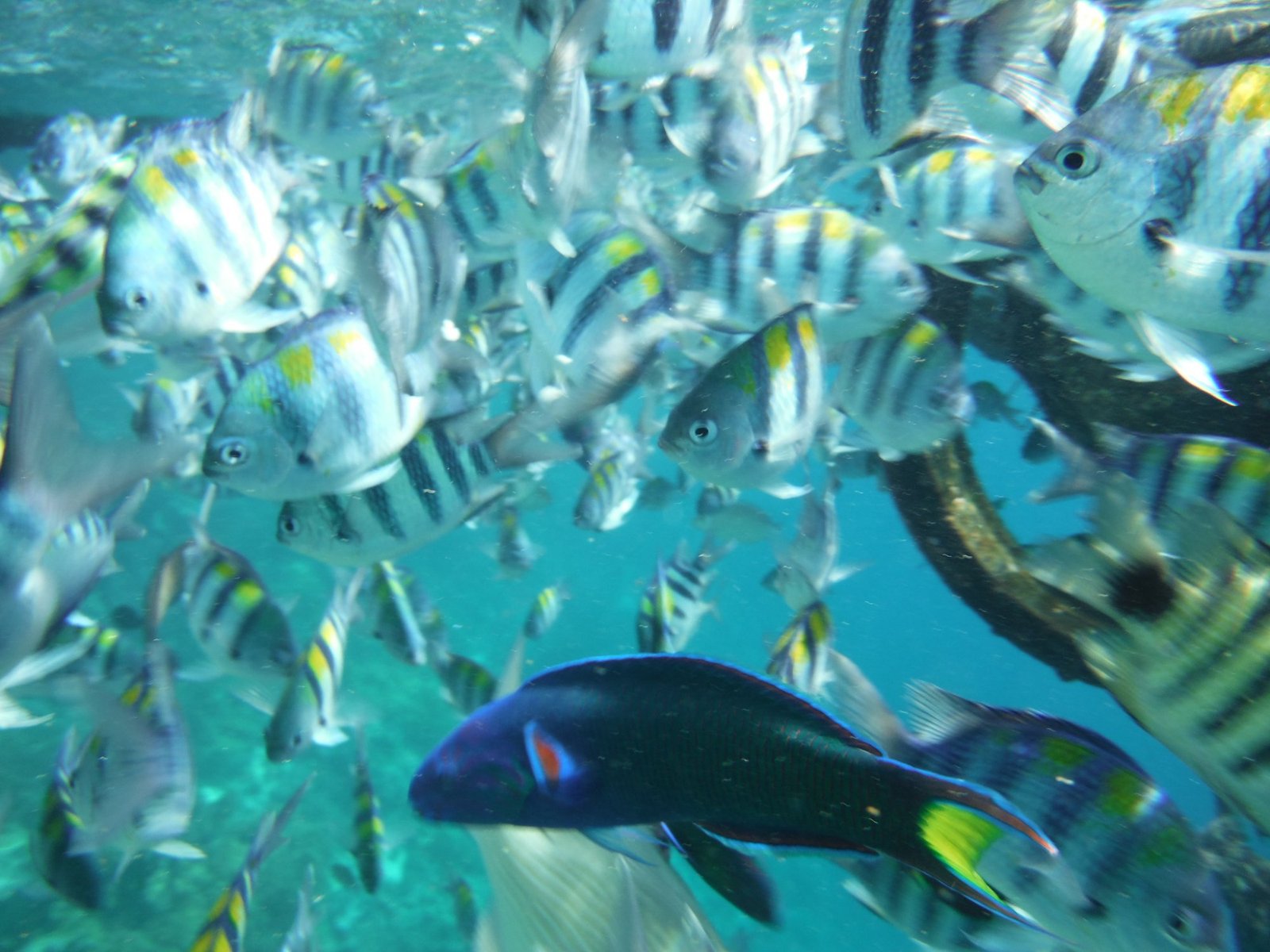
And so the marine biologists appear like knights of a kind, carrying the flame of hope for the local coral ecosystem.Primož Zevnik · Bangka, 2026
On my second day at the Coral Eye I fell dangerously ill. I knew I would have to pass through this tropical ordeal. Here in the southern seas lives a different world of microbes and parasites, waiting only to do battle with the innocent intestinal flora of the white man. It began slowly. It was wretched. Then I expelled everything within me. A fever took hold, and I lay somewhere between dream and waking, listening to the rustle of the palms and the sea. I raved; the fever would not, would not break. I was growing weak, tormented by terrible headaches. On the third day of this feverish state and miserable diarrhoea I had had enough of everything. I reached for ciprofloxacin, an antibiotic for abdominal infections, and within a single day sophisticated European medicine had delivered me from all torment. I was born again; I came back to life. Then it was my only son's turn. His stomach seized. Jakob vomited and vomited. Gastric cramps racked him; the pain he felt was unbearable. He would wake weeping and convulsing, and the convulsions ended in vomiting. Then, exhausted, he would sleep, and vomit again. He cried out with pain. Marco then brought some miraculous tablets that calmed him after a fashion. On the day of our departure, on the way back to Manado, it seized him once more. I gave him two more tablets from Marco's arsenal, and these returned him to life for good.
Taking leave of a coral sea is always a sentimental affair. Here on North Sulawesi, on the island of Bangka, we had known beauty and peace. Among biologists and scientists, among divers and volunteers, we had felt superbly at home. The next day we were already flying to Sorong, in West Papua. On the plane I dozed off, and in my dream I admired golden-yellow fish being carefully catalogued by the biologist-divers. Into each one, with a fine blade, they incised its name. They were patient. Millions of fish still lay before them.
Taking leave of a coral sea is always a sentimental affair.
The last ten days we spent in one of the final wild, untouched corners of our world — in the Raja Ampat archipelago of West Papua. It was a magical, vivid experience. The way there was long and arduous. From North Sulawesi we flew to the town of Sorong, in the province of West Papua — as the Indonesian authorities officially style their occupied half of the world's second-largest island, which, with its attendant archipelagos, is as large as Germany, Spain and France combined. Until the mid-twentieth century the island had no contact with the civilised world. The missionaries of that era — many of them simply vanished into the impassable jungle — knocked out of the heads of the savages of the day their cannibalism, their man-eating and the mass rapes by which the strongest tribes asserted themselves on an island that remains mysterious to this day, impassable in many parts, and above all endless and ungovernable. There is no road network here; the millioned city of Jayapura, fifteen hundred kilometres from Sorong, is not connected to the other towns by land at all. And so Papua remains wild and mysterious; the tribes of the interior remain primal and dangerous, in their primordial essence wholly self-sufficient and unapproachable. And so Papua, to this day, refuses to be a constituent part of the Indonesian empire. Not long ago, the Indonesian army simply murdered the fighters and preachers of the island's independence and massacred them in public. Different races live here, closer to the Australian Aborigines. The women are smaller, stocky, with protruding behinds, short-legged; nearly all have broad, potato-like noses and small breasts; the men are shorter of stature, yet broad-shouldered and strong. When, later, I felt the muscles of our host on the archipelago, they were hard as stone. Curious, too, is the fact that these people give off none of the sour smell and breath of decay one meets among other Asiatic peoples. Nearly all of them chew betel nuts — a powerful stimulant and opiate — and through some chemical reaction their teeth are stained a total carmine red, which is terrifying to behold. The drug reputedly acts as an antiseptic, and so they smell of a blend of mint, cardamom and some further sweetish note akin to cloves… As recently as ten thousand years ago, Papua New Guinea was a constituent part of the Australian continent. When the glaciers melted, the rising sea cut it off, and it became a gigantic island. Today its western half belongs to Indonesia, while the eastern half, carved up in the past by the colonial powers, is independent and known to us as Papua New Guinea, with its capital Port Moresby. The island is rich in timber, precious metals, ores and oil. Every newcomer ruthlessly exploits the island's gigantic natural wealth. The most bizarre arrangement of all: the Americans mine the gold ore and the rare precious metals, the Indonesian army guards them, and the locals offer them logistical services to the nearby ports.
Raja Ampat, West Papua — A Postcard from Paradise
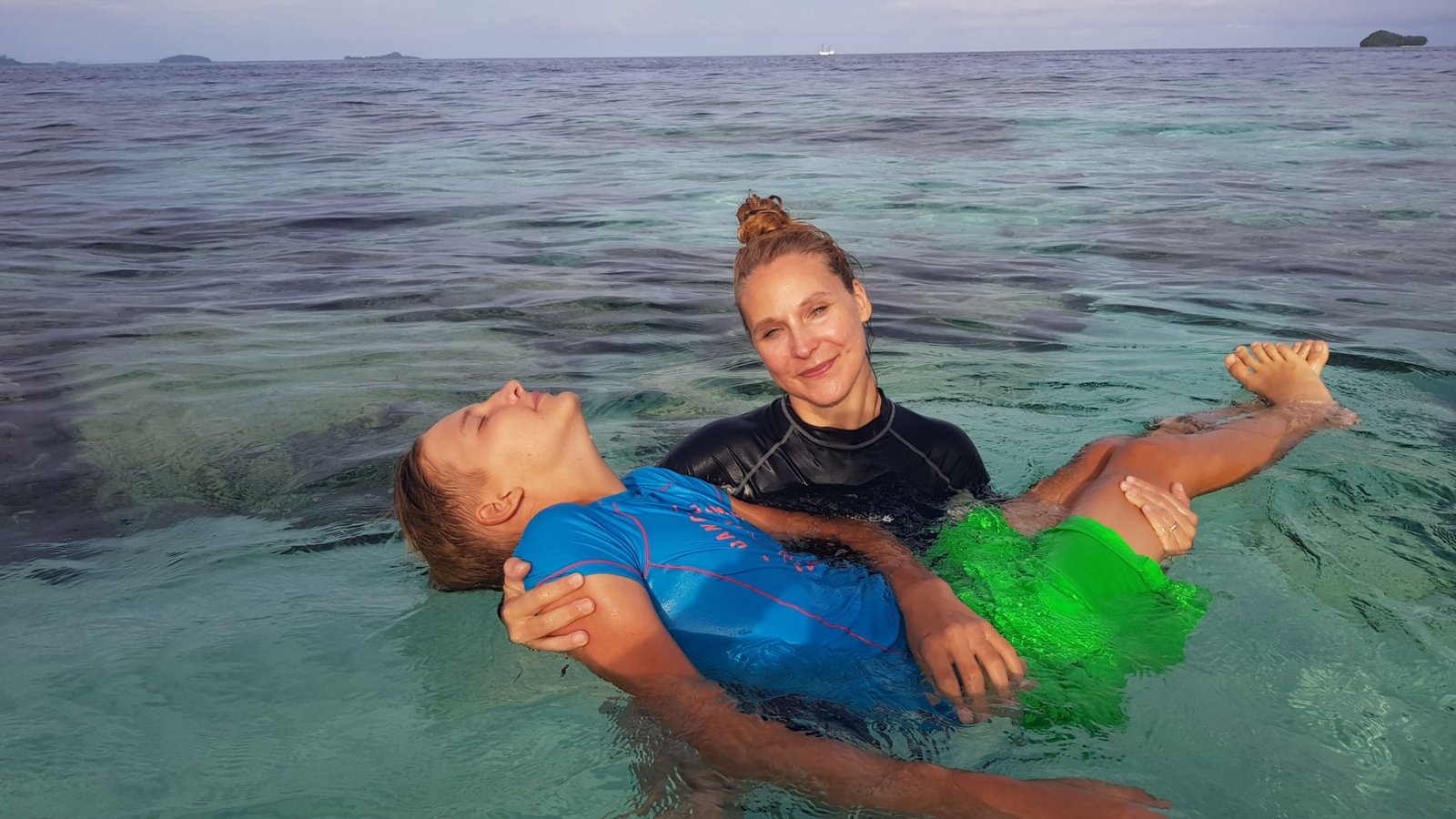
After a two-hour hydrofoil crossing we arrived in the town of Waisai, the gateway of sorts to Raja Ampat — a wondrous archipelago of coral islets at the far north-west of West Papua and the number-one paradise for every diver and marine biologist. In this marine aquarium live 85 per cent of all the living organisms of the tropical seas. Here one may marvel at sea corals of numberless shapes, dimensions and colours. On the coral reefs the marine life is so unaccustomed to man that it does not fear him. The fish swam close against us and ate, quite literally, from our hands. Around us played dolphins, mantas, seahorses, strange stick-like fish and sharks. I seemed to be performing in a surrealist film of wondrous colour shades, of crystal, limpid turquoise water, of tender corals, of numberless fish of indescribable shapes and hues. Everything swam beside me, everything alive, everything coloured to the point of absolute beauty. Only the word of a poet could describe the enchantment of the sounds, the sea scents and the colours of this paradise on earth. The locals at the guesthouse of sorts where we stayed cooked us fresh vegetables and grilled fish of wonderful flavours and delights. We lived in huts at the water's edge, alone amid turquoise lagoons and a warm sea. In the evenings we listened to the booming of the sea and the raging of the wind. In the mornings we gazed into the numberless shades of the dawn. The hours ran past us like seconds. In ten days we changed three islands: green, wooded Gam, charming Friwin, and Robinson-Crusoe Friwin Wall. On the last of these we finally discovered an island that might resemble the mysterious Taka-Tuka of Captain Longstocking. Every day we explored the coral worlds with our masks, marvelling at God's creation, which the Creator intended for man's joy and delight. The boy Nitro climbed the tall coconut palms and brought us fresh young coconuts. We drank from them greedily, with relish. The locals with whom we lodged were unobtrusive, endlessly obliging and attentive. Here, the hand of destroying tourism has not yet reached.

We delighted in the numberless shades of silence, in perfect peace, in a beautiful communion with nature, in the play of the waves, in islets of curious shapes, in life set in the midst of life itself. The warm southern sea received us into its embrace; we were its humble sons, and we marvelled at its arms laden with wonders such as we had never seen. It was the image of a perfect, vivid, luminous paradise rising before us like an apparition out of the sea foam, from day to day, from minute to minute. We were, at last, free and happy. We forgot the life beyond this magical archipelago. Here, time ran its own course; it paused for an instant; it was as in a dream from which we were roused all too soon. The image of Raja Ampat will remain with us forever as a most beautiful memory — a symbol of man's longing for absolute freedom, for the nature from which civilisation has brutally torn us, for the nature which here was endlessly generous and kind to us. How wide and bright were the smiles of the children from the humble huts and dwellings. The whole archipelago, a third the size of Slovenia, smiled broadly with coral smiles white as snowflakes. On windy nights the vivid fish swam past like bright fireflies out of our most joyful dreams. Raja Ampat — we shall miss your wide, generous smiles and your bright, warm rays of sun. We shall miss the apparition of your quiet freedom, and we shall miss all the colours of your endless summer.

Everything swam beside me, everything alive, everything coloured to the point of absolute beauty. Only the word of a poet could describe the enchantment of the sounds, the sea scents and the colours of this paradise on earth.

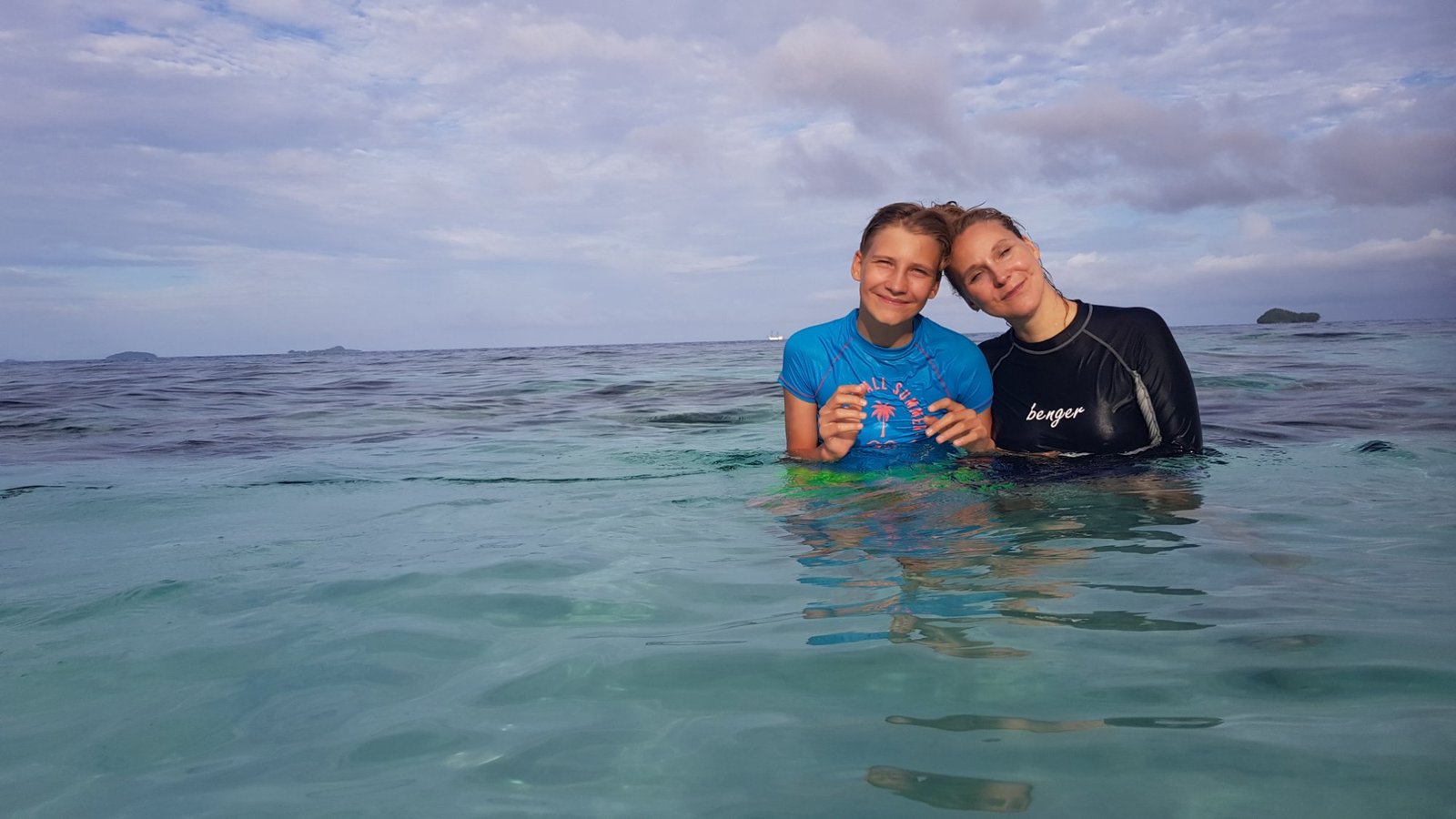

We were, at last, free and happy. We forgot the life beyond this magical archipelago.Primož Zevnik · Raja Ampat, 2026
The Final Chapter — The National Museum
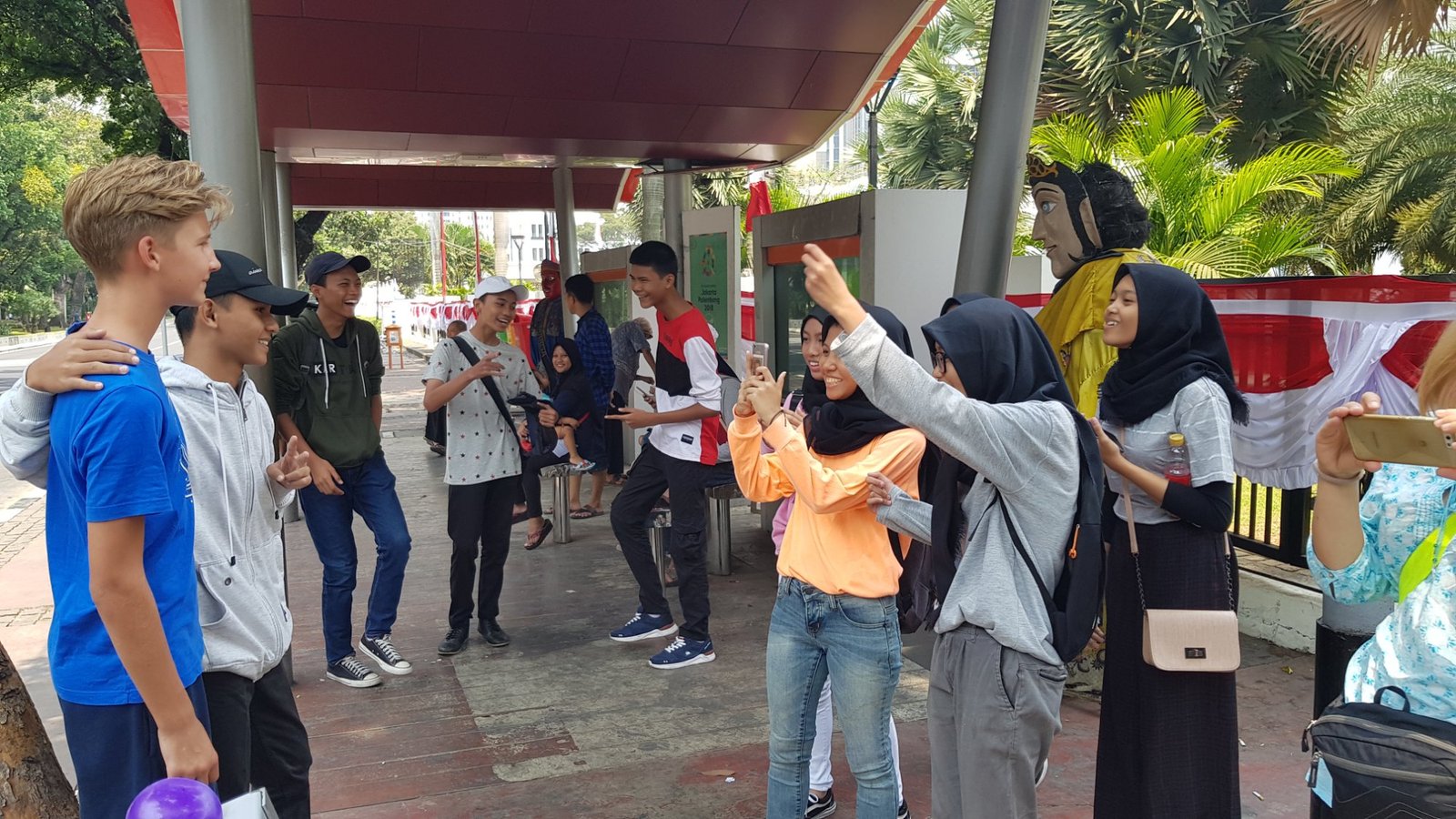
The last days of our nearly month-long journey we are concluding in Jakarta, the metropolis of the seventh-largest country on earth, counting its gigantic maritime expanses. We flew here six long hours from West Papua. The capital of Indonesia is downright terrifyingly gigantic: its wider urban region holds a full 32 million people, and the city is ungovernably enormous — ranked the fourth-largest metropolis in the world. It is a curious mixture of the third world: poor quarters, gigantic eight-lane arterials, endless streets, wealthy banking and business districts with wonderful parks, vast shopping centres and postmodern skyscrapers — and then the old colonial core, built by the Dutch on the model of their own charming towns and squares. Through the city's veins flows an unsurveyable mass of cars, taxis and motorcyclists; everything is chaotic, everything trembles in a total confusion that nonetheless possesses some logic of its own, some strange, intricate dynamics. A transfer to a nearby district thirty kilometres away can therefore take several hours. The numberless shops, services, restaurants and parks are full all day long with unsurveyable crowds; everything teems, everything moves, everything travels in all directions, then flows together again into endless queues and columns of cars, rickshaws, pedestrians, tuk-tuks, mopeds and motorbikes. Without respite. Without a second of peace. Without one single moment of beatific silence. Nothing in this city is ever permanent: in the evening the streets transform into culinary centres where, on little plastic tables, they chop meat and fish, boil soups, grill skewers, offer drinks and fruit. O God, what a mixture of scents! Now it breathes of fresh roasting, then of smoked fish; then from somewhere the smell of smog disturbs the harmony of flavours; a little further on, the scent of fried garlic and cardamom and of a decomposing carcass mingles with vanilla, roasted coffee and green tea. The streets are dirty, soot-stained; the city air is heavy and fouled by hundreds of thousands of motorbikes and cars, by the unsurveyable human mass. We Europeans are often quite unaware of the peace and silence in which we live — and how empty and unpeopled our towns and countryside are. The contrast is stark with all the Asiatic cities, which burst with life, with young people, with overpopulation, with an eternal, inexhaustible dynamism and energy of living. And, of course, with the misery and poverty that turn human individuality into a negligible, overrated category. The chaotic pulse of the megalopolis somehow relieves a person of the feeling of being important and unique and individual, of being and meaning something… Here in this endless anthill you are merely an insignificant, accidental particle of an ungovernable multitude, ruled by chaotic chance and by the terrible will to survive. Everyone is selling something, offering, pressing; numberless taxi drivers chase after customers; the shopping centres burst with crowds that come here from Malaysia, Thailand, even Bangladesh and Australia. The numerous mosques sown across the city are a sign that Java is predominantly Muslim. Across all the islands of Indonesia, by this year's latest census, there throng 270 million people. Of these, a full 30 million are Christians, with a small number of Buddhists and Hindus; all the rest are Muslims practising various branches of Islam, from sharia to Sufism to modern Islam. Atheists, by the official account, do not exist in Indonesia. And each religion deeply shapes the identity of its region and its towns. It is a fact that people of different confessions live here side by side in concord. In Papua, in Sorong, I watched the children at play. There are no divisions or segregations there. All play merrily together: little girls wrapped in headscarves giggle mischievously; Catholic and Protestant urchins tease them; a slight little Hindu boy kicks a ball about with a more solemn young Buddhist. Then they all run off somewhere, return, kick the ball, chase one another, quarrel like the possessed and finally come to blows. Then they are friends again. The streets are full of children and their clamour. At our Christian host's, a Muslim neighbour kept his car parked, washing and polishing it with pride every evening. In return he drove our host family, who had no transport of their own, about on their errands. From the nearby mosques the muezzins bawled asynchronously. When they fell silent, Gounod's Ave Maria rang out over the town from the nearby Catholic cathedral, followed by the rosary. Then, from the distance, I listened to Buddhist lamentations and chimes. In the evening the Muslim neighbour brought our Christian landlady a gift of fresh hard-boiled eggs. This symbiosis of different religions and value systems is astonishing. People are respectful of one another; no one ever raises their voice, no one behaves boorishly; they smile broadly, they are kind, they press nothing upon you, always observing a person from the side, in secret. Though they live poorly and modestly, though they come of the third world, they radiate dignity and pride and belonging to their own people and their own faith.

We Europeans are often quite unaware of the peace and silence in which we live.
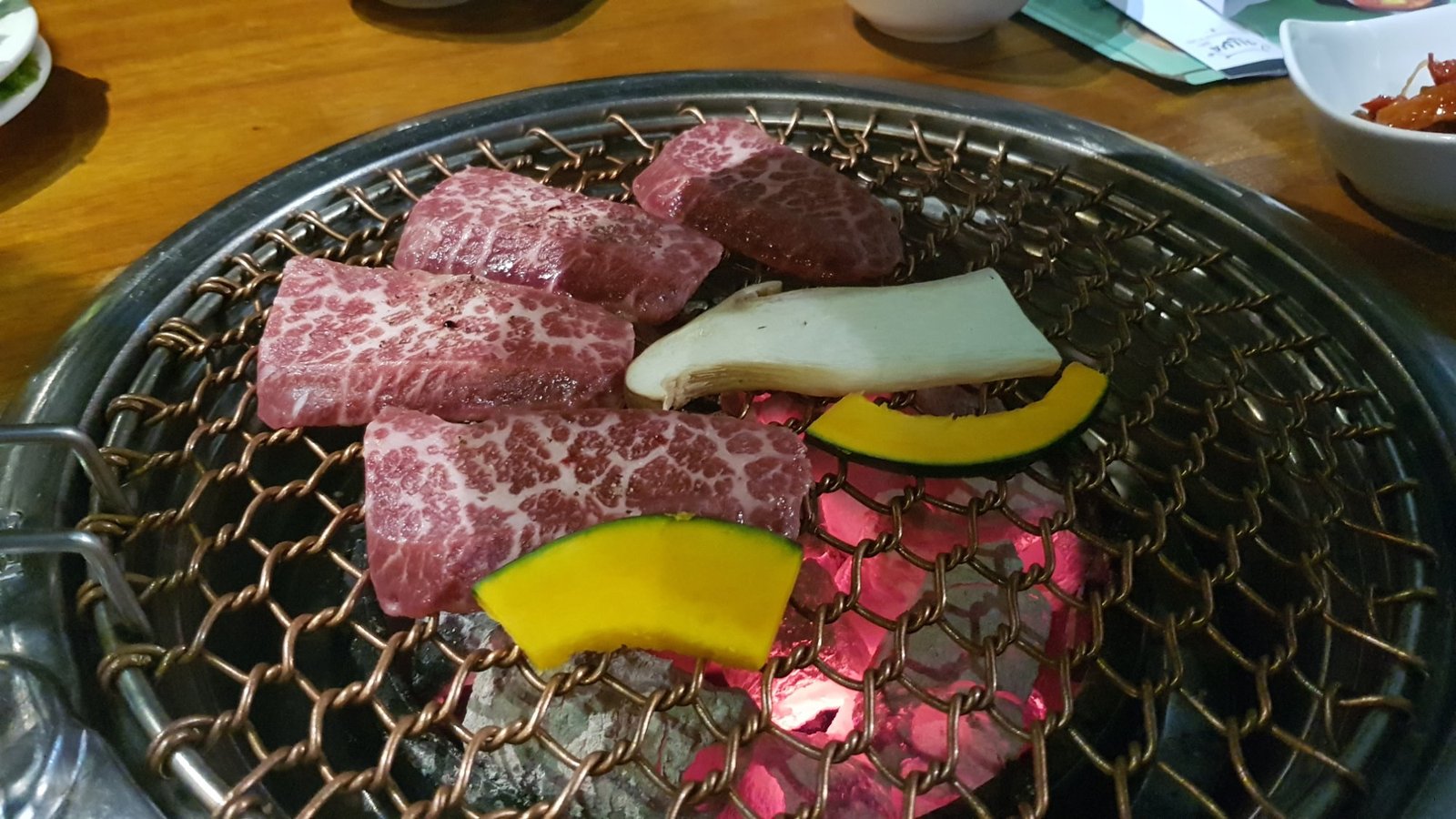
On the penultimate day of our stay in Jakarta we visited the Indonesian National Museum. Admission was a laughable fifty cents per person. There we joined a free guided tour with Mrs Anya Robertson, a charming, elderly local lady who, in impeccable English, expounded the social, economic, ethnic, religious and political history of Indonesia. The museum was built by the Dutch, who carried into it the treasures, statues and relics of the local island kingdoms they had defeated and conquered in their centuries-long expansion. The wealth of gold, of precious relics, crowns, gems and jewellery is past counting. At the end of it all, one asks oneself why the Dutch should be the fourth-richest nation in the world. The answer lies hidden in this and similar museums of their colonial empire. The riches of their Dutch East India Company — which claimed for itself the priceless wealth of immeasurably vast territories and entire civilisations — are likely beyond reckoning. By the estimate of historians of the world economy, the wealth in ores, precious metals, rare minerals and exotic timber ran to tens of thousands of billions of euros in today's money. Yet the Dutch are not merely the ugly ducklings of this story. Wherever they went, they built bridges and canals, and into remote and tribal communities they brought the rudiments of civilisation and refinement. To this day, well-to-do Indonesians send their children to study at prestigious universities overseas. And many Indonesians who disagreed with the new creation after the Second World War wished the Dutch colonial dominion would return. The many ethnicities that today make up modern Indonesia have been touched by all the world's great religions: from early Hinduism, through the Buddhism of Indian and Chinese seafarers, to Christianity and Islam, carried here by Arab traders and by the Dutch and Portuguese colonisers. Over the centuries the religious strata settled one upon another, shaping the character of the people here — stoic, modest and considerate. I felt they were resigned to fate, endlessly devoted to their families, their people and their faith. On the last day, a few hours ago, we visited a restaurant offering the specialities of West Sumatra. They set various dishes before us without asking what we wished to eat. They told us we would pay only for those we actually ate. The choice was ours. And that choice is a kind of symbolic image that holds true for the whole of Indonesia's diverse society.
For us it was an experience of the first order. We came to know different places, peoples and cuisines; gorgeous corners of remote paradisal worlds; the misery and poverty of the third world; the wide smiles of obliging locals; the mysterious underwater worlds of the last untouched nature of the coral reefs; the destructive rampage of tourism; an Indonesia with its arms thrown wide open, full of stories and rich history. An Indonesia of beautiful coral smiles, of pearl shells and succulent coconuts.
The engines of the plane for Doha are running. Europe, fortress of peace and plenty, awaits us. We went searching for paradise. We know that one is surely waiting for us at home — in green hills, in drinkable water, in the four seasons, in high mountains and clear lakes.
Now we will take off. Pearl corals will fill the vault of heaven all the way to our kindly home. They will glow like the brightest stars.
A note when a new essay or travelogue appears. No noise, unsubscribe in one click.