Recorded across a few December days in 2006 at Oslo's Rainbow Studio and released the following spring, Being There is the third and final panel of a trilogy — after Changing Places and The Ground — that made a quiet Norwegian piano trio one of the most beloved acts on ECM. Tord Gustavsen at the piano, Harald Johnsen on double bass, Jarle Vespestad at the drums: thirteen short pieces, most under five minutes, built from Lutheran hymn, gospel cadence and the patience of three musicians who had learned that the most eloquent note is often the one withheld. It is a record about presence — and, as it turned out, a farewell.
It's about loving every note — about playing what you'd actually like to hear, rather than what you think you ought to play.Tord Gustavsen, on the discipline of restraint, 2007
A record that begins where the noise ends
I want to begin with a confession, because this is a record that seems to invite them. The first time Being There played all the way through in my listening room — late, the house gone quiet, the amplifiers warm — I caught myself doing something I almost never do with jazz: I stopped reaching for the next thing. No checking the sleeve, no anticipating the solo, no measuring the players against the giants. The music had quietly removed my hurry. By the second piece I understood that this was not an accident but a method, and that the method had a name the trio kept circling: being there.
The phrase is Tord Gustavsen's, and he means it almost literally. He has described the working idea behind the album as being “acutely present, aware and focused in the fullness of the moment.” That is a strange ambition for a jazz record, a genre that has spent a century prizing velocity, surprise and the heroic individual line. Here the values are inverted. The tempos are slow and stay slow. The dynamics live in a narrow band between piano and pianissimo. The longest of the thirteen tracks is barely over six minutes; most settle between four and five. And the first thing a new listener notices is not what the three musicians play but what they decline to play — the runs not taken, the chords left to hang and decay, the silence treated as a material as load-bearing as any note.
What makes this more than a curiosity is that it worked, and on a scale almost no contemporary jazz achieves. The three trio albums — Changing Places (2003), The Ground (2005) and Being There (2007) — sold, between them, well past a hundred thousand copies, and they did it the slow way, by word of mouth, in an age when jazz had supposedly become a museum art. People who never bought jazz bought these. Being There is the closing panel of that trilogy, and it is the one where the trio sounds most assured in its quiet. It is also, though no one knew it at the time, the last full document of these three particular men playing together. That fact hangs over the record now like weather, and I will come back to it. For the moment it is enough to say that this is music built on the conviction that improvisation can do the work of prayer — and that prayer might have something to teach improvisation in return.
I should say what kind of record this is not, because the misunderstandings come easily. It is not ambient music, designed to be ignored; it is not New Age, despite the calm; it is not, whatever a careless ear might suppose, a single mood stretched thin across thirteen tracks. It is composed, structured, harmonically alert music of real intellectual seriousness, made by players who could dazzle you if they chose and who choose, instead, to do something harder. The calm is not the absence of event; it is the result of a hundred small decisions about what to leave out. And that, in the end, is the discipline the whole record is built on — the conviction that what you withhold can speak as loudly as what you play, that an unstruck note can carry as much weight as a struck one.
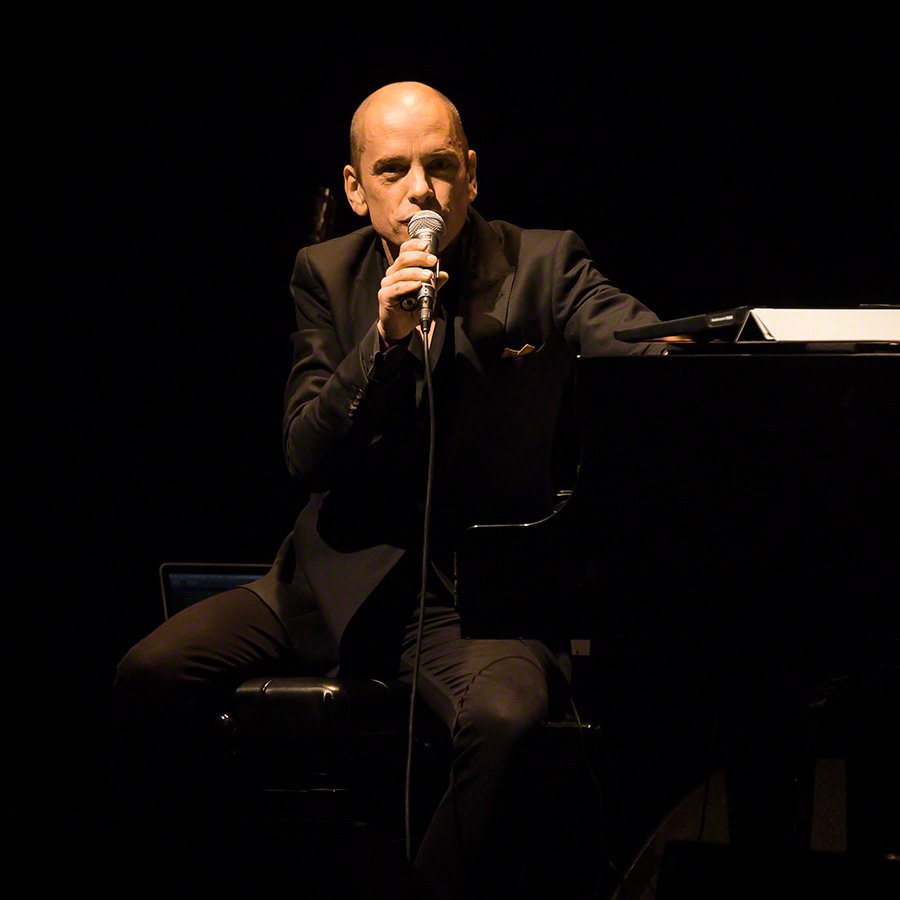
Tord Gustavsen: the long apprenticeship of stillness
He was born in Oslo on 5 October 1970 and raised in the rural quiet of Akershus, north of the capital, and the two facts — the city and the countryside — sit inside his music like the two hands of a pianist. He began at the keyboard at the age of four, and — this is the telling detail — he was composing and improvising before he could read a note or play a written classical piece. The order matters. For Gustavsen, music was first a thing you made up and only later a thing you decoded; first a vernacular, then a literature. “I played in churches and local settings of different kinds,” he recalls, “combining classical training with writing my own songs and performing gospel.” Hold those three threads — the conservatory, the songwriter, the gospel pianist in a Norwegian chapel — because the whole of Being There is woven from exactly them.
What he did next is unusual for a musician of his stature: he went the long way round. At nineteen he enrolled at the University of Oslo not in music but in psychology — with detours through sociology and comparative religion — and he never quite let the discipline go. He took a degree, returned later for a cand. philol. in musicology, taught jazz piano and theory at the university between 1998 and 2002, and wrote a substantial thesis on what he called the paradoxes of improvisation, drawing on the dialectical psychology of Helm Stierlin and Anne-Lise Løvlie Schibbye. This is not idle background. A great deal of what happens on Being There — the way freedom and constraint are held in a single grip, the way a player can be most himself precisely by holding back — is the sound of a man who has thought about these things in prose as well as at the keyboard.
Only in 1993 did he commit fully, entering the jazz department of the conservatory in Trondheim, the cradle of so much modern Norwegian jazz, where he formed bands and toured the length of Scandinavia. He served an apprenticeship any pop fan would recognise: for years he was the pianist in the band of the Norwegian singer Silje Nergaard, learning the unglamorous craft of accompaniment — how to hold a song up without crowding it, how to make a singer sound like herself. When his own trio finally recorded for ECM in 2003, the debut, Changing Places, became the label's most successful first album in a decade. He had been getting ready for it, quietly, for thirty years.
There is a particular flavour to the man that comes through in interviews and in the playing alike: thoughtful, a little professorial, allergic to hype, more curious about why a phrase moves us than about proving he can execute it. His wish to play “what you'd actually like to hear rather than what you think you ought to play” sounds modest and is in fact a whole philosophy — a refusal of the anxious careerism that drives so many players to crowd every bar. The same temperament shows in how he builds a record: slowly, by touring the material until it settles, letting each piece find its final shape in front of audiences before it is ever committed to tape. Being There is full of tunes that had lived on the road for years; “At Home” alone had opened the trio's concerts for the better part of three.
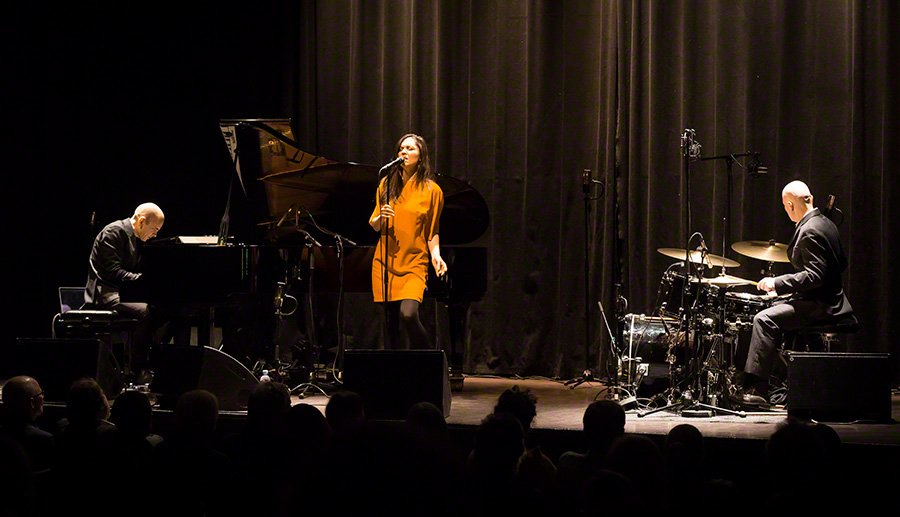
Three who became one
A trio is a fragile geometry. Two players can lean on each other; four can hide in the crowd; three must each carry a full side of the triangle, in plain view, with nowhere to disappear. The marvel of the Gustavsen trio is how completely the three voices fuse without any of them vanishing. The Guardian put it exactly: the integration of bass and drums in this group is total. Listen on headphones and you can still pick out each man's fingerprints; listen with the room and they become a single breathing organism.
On double bass was Harald Johnsen, born the same year as Gustavsen, a Trondheim conservatory graduate and one of the most admired bassists in Norway, a veteran of the Køhn/Johansen Sextet and a dozen other bands. His art was an art of subtraction: delicate glissandi, a tone you could lean your whole weight on, and a refusal — as one writer beautifully put it — ever to play two notes where one would do. He is also, on this record, the only voice besides Gustavsen's to sign a composition: the tango-shadowed “Karmosin” is his, and it is no accident that the most sensual, most southern thing here came from the bassist's pen.
At the drums sat Jarle Vespestad, a master of the brushed cymbal and the half-struck snare, a man who seems to suggest a pulse rather than enforce one. He has drummed on every album Gustavsen has ever made — a kindred spirit across thirty years — and on Being There his kit has migrated, as Gustavsen noticed, toward the very centre of the sound: not a timekeeper at the back but a third melodist, painting in greys. The trio had toured for years before this session, and you can hear it. When three musicians have learned to breathe together, they earn the right to leave space, because the space is never empty — it is full of shared listening. In 2005 the jury of Bergen's Nattjazz festival gave them its prize; the wider world was only catching up to what these three already knew.
A word more about Vespestad, because his contribution is the most easily missed and the most quietly radical. The default image of a jazz drummer is propulsion — the engine, the heat. Vespestad inverts it. He plays, much of the time, with brushes rather than sticks, and a brush does not strike a drum so much as caress it, dragging a soft wash of sound across the skin. He will let whole bars pass on a single shimmer of cymbal, then place one dry tap exactly where a lesser drummer would pile on a fill. The effect is that the pulse seems to rise from inside the music rather than being imposed on it from outside — a heartbeat you feel more than hear. On a record this hushed, the drummer is not keeping time; he is keeping faith.
From the chapel to the keyboard
Pietism gave Norway a particular sound as well as a particular temperament. Its hymns lean toward the minor mode and a grave, walking simplicity; their consolation is the consolation of people who expect heaven to be better than here. The man who gathered this inheritance and made it permanent was the organist and collector Ludvig Mathias Lindeman (1812–1887), who roamed the valleys writing down folk melodies and folk hymns, founded a school for organists that became the Oslo conservatory, and supplied the tunes an entire people learned by heart. When Gustavsen reaches, again and again, for what he calls a wordless hymn — “Draw Near,” “Still There,” “Vesper,” “Wide Open” — he is not borrowing an exotic colour. He is speaking his mother tongue. The melodies could pass for entries in a hymnal; the difference is that here the congregation has gone home, and the organist, alone in the dark church, has begun to improvise.The theology of holding back
There is a deeper kinship still. The pietist tradition has always carried a strain of the via negativa — the conviction that the holy is approached by stripping away rather than adding on, by silence rather than speech. Gustavsen has been explicit that his roots are the engine of his freedom: his “stretching out and being creative,” he says, has “a much better chance of happening organically… when done in energetic connection with my roots — with the sensuality and groundedness of the hymns and the spirituals and the lullabies.” Hymn, spiritual, lullaby: three musics of comfort, all of them sung to someone, all of them built to be simple enough to be remembered in the dark. That is the secret architecture of Being There. It sounds like jazz because it is improvised; it feels like something older because, underneath, it is a service of song for a congregation of one. It is worth saying plainly how literal this inheritance is. Across his career Gustavsen has set actual chorales and hymns alongside his originals — melodies by Bach, tunes from the Norwegian hymn tradition, songs drawn from the Norsk Salmebok itself — and the startling thing is how seamlessly they sit together. His own pieces are not pastiche; they are new growth from the same root. When a melody from Being There makes you feel you have heard it in a church somewhere, you are not imagining it. You are recognising the genetic code of a thousand Sunday mornings, recombined into something that has never existed before.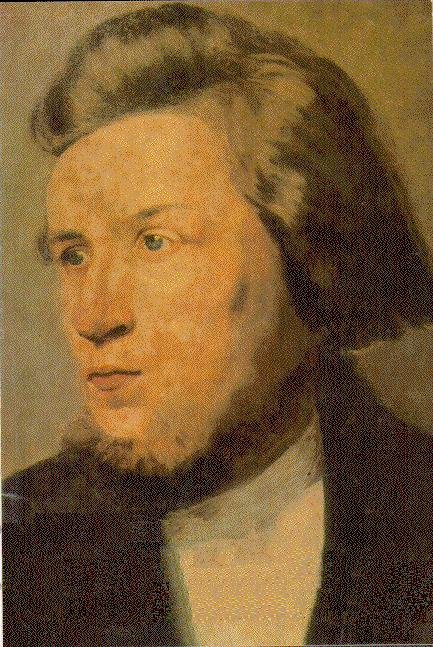
A short grammar of the Gustavsen sound
It would be easy, and wrong, to file this music under “mood.” Beneath the calm surface is a set of very deliberate decisions, and naming them is the quickest way to hear how much is going on. The first is modality. Rather than driving through the dense, fast-moving chord changes of bebop, Gustavsen tends to hover inside a scale or a mode, letting a single harmonic colour breathe for bars at a time. Modal jazz — the lineage of Miles Davis's Kind of Blue — trades the thrill of the next chord for the depth of the present one. It is, you might say, the harmonic equivalent of being there.
The second is the ostinato — a short figure, usually in the left hand or the bass, repeated as a ground beneath the song. Repetition here is not laziness; it is the trellis that lets the melody climb. The third is rubato, the supple stretching and compressing of time, the refusal to lock rigidly to the click of the beat — the music breathes the way a singer breathes, and that human elasticity is a great part of its warmth. The fourth, threaded through everything, is gospel. Gustavsen's left hand carries the church in it: warm, rocking, plagal cadences — the “amen” harmony — bluesy thirds, the way a chord can resolve down home after wandering. He has called his idiom Nordic blues, and the phrase is exact: the stoic minor-key melancholy of the North married to the consolation and the swing of the Black American church.
Put these together and you get the trio's signature paradox: music that grooves while standing almost still. Vespestad's brushes lay down a pulse so soft it reads as texture; Johnsen's bass walks without ever hurrying; Gustavsen states a melody of almost folk-song plainness, then bends and shades it, ornamenting a minima, going always to the essential. The drama is microscopic and total. You lean in, and the closer you listen the more there is.
Take a single, concrete instance: the way so many of these pieces begin in shadow and resolve into light. Gustavsen will open with a cluster, a deliberately ambiguous chord that withholds the key, leaving you suspended, unsure whether you are in major or minor, hope or grief — and then, after letting the ambiguity hang, he lets the harmony settle “down home,” into a warm, plain, gospel-bright cadence that feels like a door opening onto a lit room. He has described exactly this motion on “Draw Near.” It is a tiny drama, four bars long, and it is the whole album in miniature: ambiguity patiently held, then grace. Hear it once and you will hear it everywhere on the record — the small, repeated miracle of doubt resolving into rest.
- Modal jazz
- improvising over scales or modes held for long stretches rather than over fast-changing chords — depth in place of motion.
- Ostinato
- a short musical figure repeated persistently, often in the bass, as a ground beneath a melody.
- Rubato
- expressive give-and-take with strict tempo — “stolen” time, the way a voice breathes.
- Comping
- a pianist's supportive chordal accompaniment behind a soloist or melody (from “accompany”).
- Brushes
- wire brushes drawn or tapped across drum heads and cymbals for a soft, whispering pulse — Vespestad's signature.
- Plagal (“amen”) cadence
- the IV–I chord motion that ends so many hymns — the gospel colour in Gustavsen's left hand.
- Nordic tone
- a much-used (and much-disputed) label for a Scandinavian jazz of space, modal harmony, folk melody and melancholy reserve.

An American inheritance: the gospel in the left hand
There is a second church inside this music, and it stands not in Norway but in the American South. For all that Being There grows from Lutheran pietism and the Norwegian hymn, its harmonic warmth — the thing that keeps the melancholy from ever curdling into mere gloom — comes from somewhere else entirely: from gospel, from the blues, from the sacred music of the Black American church. Gustavsen has been open about this all his life. He grew up, by his own account, “performing gospel” alongside playing classical and writing his own songs, and the gospel never left his hands.
You hear it most plainly in the left hand. Listen to the way a Gustavsen chord rocks gently back and forth; the way a phrase settles onto a warm, plagal “amen” cadence; the way a bluesy third or a sliding inner voice bends a hymn-like melody toward something earthier and more human. This is the vocabulary of the gospel pianist — of the Sunday service where the music is not performed at a congregation but made with it, where the point is not display but lift, the slow building of collective feeling. It is a vocabulary born of suffering and endurance and the stubborn insistence on joy, and it travelled, as the deepest musical things do, across an ocean and a century to lodge in the fingers of a Norwegian boy.
That trans-Atlantic borrowing is the secret of the whole synthesis. Norwegian pietism gave Gustavsen the inwardness — the minor-key gravity, the suspicion of display, the soul alone before God. The Black American church gave him the consolation — the warmth, the swing, the resolution down home, the refusal to leave the listener in the dark. Two devotional traditions, born continents apart and out of utterly different histories, meet in this music and complete each other: the Northern hush and the Southern glow. When Gustavsen calls his idiom “Nordic blues,” that is precisely the marriage he means — and it is why the record can be so sombre and so comforting at once. It mourns like a Lutheran and consoles like a gospel choir.
There is a kind of grace in this borrowing, too — a quiet act of homage across the widest of cultural distances. A Lutheran boy from the Norwegian countryside, sitting at a chapel piano, reached for the music of a people whose history could hardly have been more different from his own, and found in it exactly the warmth his own tradition lacked. He did not flatten it or exoticise it; he absorbed it, slowly, until it became part of how his hands think. That is how musical traditions actually move and merge — not by theft but by love, one player falling for a sound and carrying it home. The gospel in Gustavsen's left hand is a debt gratefully owed, and openly acknowledged.

One man's idea of sound
The label was founded in Munich in 1969 by Manfred Eicher (born in Lindau, Bavaria, in 1943), a classically trained double bassist who had played free jazz and absorbed, at Deutsche Grammophon, an almost devotional standard of recorded sound. The first release, in November 1969, was the American pianist Mal Waldron's Free at Last. From a Canadian magazine review came the phrase that has hovered over everything since: the most beautiful sound next to silence. It is the most accurate motto any label ever wore. Eicher's idea was that a recording should have the air and depth of an ideal concert hall — that you should hear not only the notes but the room around them, the way a sound is born and the way it dies. Silence, in this aesthetic, is not the absence of music; it is the canvas the music is painted on.A catalogue that dissolved the borders
What grew from that idea is one of the great cultural achievements of post-war European music: a catalogue of some eighteen hundred records, unified less by genre than by a way of listening. Eicher gave Keith Jarrett the freedom to record Facing You (1972) and then The Köln Concert (1975), the best-selling solo piano album in history, which sold in the millions and put the label on solid ground. At Eicher's suggestion Jarrett formed a “European Quartet” with the Norwegian saxophonist Jan Garbarek, whose 1974 album Belonging became the template for a whole northern sound. In 1984 Eicher opened a second front, the New Series, for composed music — it was launched with Arvo Pärt's Tabula Rasa, and the kinship is not accidental: Pärt's tintinnabuli, his sacred minimalism of bells and silence, is the classical cousin of everything Gustavsen does. ECM is where Bach sits beside Garbarek, where a Tunisian oud player and an Estonian mystic and a Norwegian hymn-jazz trio all belong to the same family. Eicher's own creed is disarmingly simple: “nothing in contemporary music should go without risk,” he has said, and “the greater the risk, the more satisfying the result.”The eye as well as the ear
And ECM taught the world that a record could be looked at. Its sleeves — austere photographs of mist, water and northern light, framed by acres of space and a severe, beautiful typography — treat the cover as seriously as the music; designers like Barbara Wojirsch and Sascha Kleis (who designed Being There) made the label recognisable across a darkened shop. There is even a small, lovely thread that runs from the heart of this catalogue back toward our own corner of Europe: Keith Jarrett, the label's central pianist, is the grandson of a Slovenian — his grandmother was born in Segovci, near Apače, a stone's throw from where I am writing these lines. The most beautiful sound next to silence, it turns out, has a little Slovenian blood in it. To hand a record like Being There to Manfred Eicher was to hand it to the one producer on earth who would treat its silences as the point.A producer who hears like a film-maker
Eicher himself is a fascinating figure: an audiophile and a cinephile, a man steeped in the films of Tarkovsky, Bergman and Godard, who has directed a film of his own and shaped the music for others. You hear that cinematic ear in the records — the sense of a sound placed in space, of music unfolding in time the way a film does, frame by deliberate frame. And the borders he dissolved were not only between jazz and classical. In 1994 he paired the saxophonist Jan Garbarek with the early-music vocal group the Hilliard Ensemble on Officium — a saxophone improvising over medieval plainchant — and it sold a quarter of a million copies, an impossible crossover that proved, once and for all, that his instinct for the meeting of sacred stillness and improvised line was no eccentricity but a true reading of what listeners were starving for. Being There belongs to that same lineage of holy hush.
The cover, and the art of the sleeve
It is worth lingering, for a moment, on the object itself — because part of what made ECM a phenomenon, and part of what Being There inherits, is the conviction that a record is something you hold and look at, not merely something you hear. From its earliest years the label treated the album sleeve as seriously as the music inside, and built a visual identity unlike anything else in the record business: severe, spacious, contemplative, closer to the cover of an art book than a jazz LP.
The ECM look — shaped over the decades by designers such as Barbara Wojirsch, Dieter Rehm and, latterly, Sascha Kleis, who designed Being There — favours muted photographs of landscape and light, water and mist and northern emptiness, set against great fields of white or grey, finished with a restrained, perfectly judged typography. The covers rarely show the musicians; they show, instead, a mood, a weather, a silence made visible. To pull an ECM record from the shelf of a dim shop was to recognise it instantly, the way you recognise a friend across a room. Two thick books — Sleeves of Desire and Windfall Light — have been devoted to this artwork alone, and it is studied now as a landmark of graphic design.
None of this is decoration. The visual austerity is the same idea as the sonic austerity, expressed in another medium: trust the space, remove the clutter, let one true image (or one true note) carry the weight. The cover prepares you for the music before a sound is played — tells you, in its quiet, what kind of attention the record will ask of you. In an age when most music arrives as a thumbnail glimpsed for half a second before the next track, there is something almost defiant in the insistence that a record is an object worthy of contemplation, eye and ear together. ECM never stopped believing it. Neither, I confess, have I.
It is no small thing that a record label taught two generations of listeners to slow down at the shelf — to treat the choosing of music as itself a contemplative act, to judge a sound partly by the silence and space of the image that housed it. The ECM sleeve is, in this sense, an argument continued by other means: the same plea for attention, for space, for the dignity of the single well-chosen thing, that the music makes in sound. To own Being There as a physical object — to hold the austere cover, to read the typography, to sense the care in every margin — is to receive the music's message twice over, once through the eye and once through the ear.
Two pianos, two answers to the same north
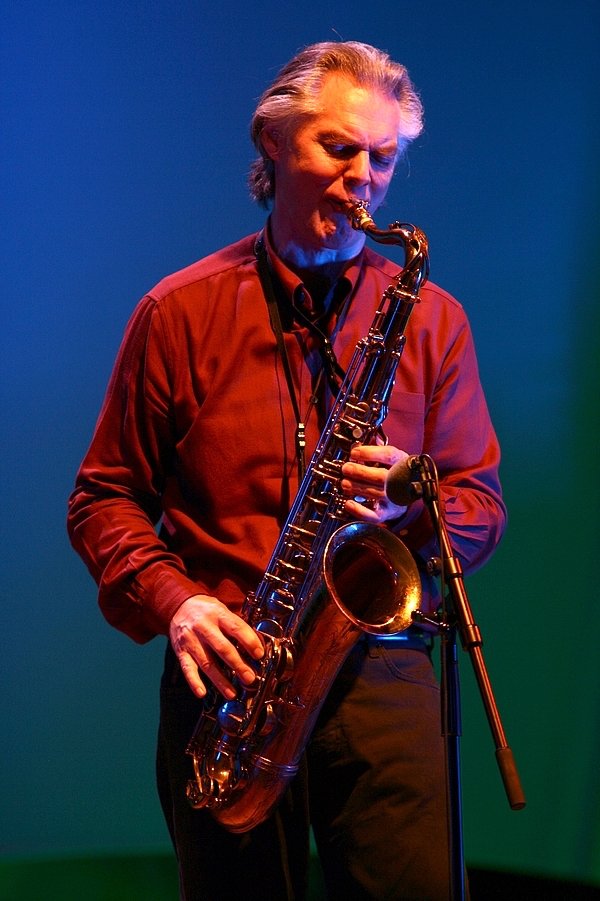
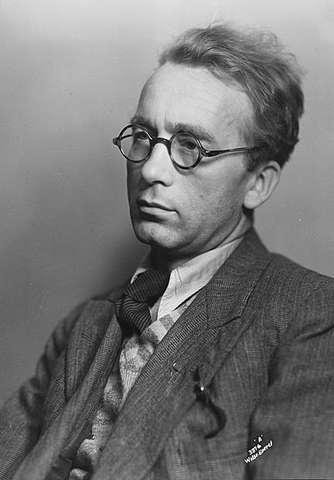
It helps to hear Being There against its great rival. In the 2000s there were two Nordic piano trios the whole jazz world argued about. One was the Esbjorn Svensson Trio — e.s.t. — from Sweden, who took the Bill Evans inheritance and electrified it, courting rock energy, distortion and the festival crowd, racing forward until Svensson's death in a diving accident in 2008 cut the story brutally short. The other was Gustavsen's, which took the same inheritance and walked it in the opposite direction — toward stillness, toward the hymn, toward the disappearing pulse. Two trios, two temperaments, two answers to the same northern question: what do you do with all this melody and all this melancholy? e.s.t. answered go faster; Gustavsen answered be here. That both answers found mass audiences in the same years tells you something about what listeners, worn out by a loud decade, were hungry for.
The contrast is instructive precisely because the two trios shared so much: the same Bill Evans lineage, the same Nordic melancholy, the same conviction that a piano trio could be the most expressive unit in jazz, the same astonishing reach beyond the usual jazz audience. What divided them was temperament, and temperament is everything. e.s.t. wanted release — the build, the climax, the roar of a festival crowd. Gustavsen wanted attention — the held breath, the lowered voice, the deepening of a single quiet moment. Both were true to something in the northern character; it is just that the North contains both the storm and the long still cold that follows it, and these two trios divided that inheritance between them.

A windfall, deliberately not spent
By the mid-2000s Norway had become, per head, one of the richest countries on earth, floating on North Sea oil and gas pumped from engineering marvels like the colossal Troll A platform. The astonishing thing is what the Norwegians decided to do with the money: largely, not spend it. The surplus is poured into the Government Pension Fund Global — the Oil Fund, renamed in January 2006 — and a strict “spending rule” limits how much the state may draw each year, so that the windfall is saved for generations not yet born. One scholarly study calls the fund, with perfect aptness, institutionalised self-restraint. A country struck rich chose discipline over splurge, the future over the present moment, enough over more. Most petro-states squander the curse; Norway, almost alone, banked it — held up by a society of high trust, low corruption and deep egalitarian habit, the much-admired “Nordic model.”The same virtue, in a different key
I do not want to be glib about this. A jazz record is not a fiscal policy. But cultures have a temperament, and a temperament expresses itself in everything they make — in how they handle a fortune and in how they handle a melody. The same nation that refused to blow its oil money on display refuses, in this music, to blow its melodic capital on flash. The discipline that says do not spend it all now, leave something for later is the discipline that lets a chord hang, withholds the climax, trusts the silence. Being There is restraint as a public virtue, transposed into sound — an aesthetic of enough from a society that had built an entire economic philosophy out of the same word. And lest restraint seem merely austere, Norway showed it could be generous too, in its own measured way: the gleaming new Oslo Opera House rose at the head of the fjord in those very years — a single, magnificent public gesture, paid for in common, that you are invited to walk up and over like a slope of white marble. Even the splendour is shared. Even the grandeur is, in the deepest sense, understated. There is a moral seriousness to the Norwegian project that goes beyond mere thrift. The Oil Fund operates under ethical guidelines and a Council of Ethics that can bar it from investing in companies it judges harmful; the country has tried, imperfectly but genuinely, to be a responsible custodian of a fortune it knows to be partly luck and partly the planet's burning. This is restraint as conscience, not only as accounting — the same impulse, at the scale of a nation, that makes a musician ask whether a note deserves to be played before he plays it. I am not claiming the trio sat in the studio thinking about sovereign wealth. I am claiming that the same cultural water that produced a country capable of such collective self-discipline also produced three musicians capable of the musical kind. Temperaments run deep, and they surface everywhere.
The spirit of the age: the world that bought a quiet record
Step back from the studio for a moment and look at the world Being There was made in, because the timing is part of the meaning. December 2006: the record was taped in the last calm season before two storms. A few weeks later, in January 2007, a company in California unveiled a small glass rectangle called the iPhone — the device that would, within a few years, shatter human attention into a million blinking fragments and make the kind of unbroken, hour-long listening this album asks for a genuinely countercultural act. And eighteen months after that, in the autumn of 2008, the global financial system would convulse and the long boom would end. Being There sits, all unknowing, on that fault line — a last exhalation of a quieter, slower, more confident moment, recorded just before the world sped up and fell down.
It belongs, too, to a particular post-millennial mood. The 2000s were an anxious decade — the shadow of September 2001, the wars that followed, a creeping sense of acceleration and overload — and against that noise a real hunger had grown for music that offered shelter rather than stimulation. This is the decade that made a global figure of Arvo Pärt, that filled concert halls for slow, sacred, minimal sound, that turned a Norwegian hymn-jazz trio into chart-toppers. People were not retreating into easy listening; they were seeking, I think, a place to set down the weight — a room, however brief, in which attention could rest on one thing at a time. Being There offered exactly such a room, and offered it with an artistic seriousness that rewarded the deepest kind of listening.
There is a European dimension to this as well. ECM is a German label recording a Norwegian trio, with an engineer in Oslo, a producer raised in Bavaria, and a sound that draws on the American church and the Lutheran chorale alike — and it sold across the whole continent and beyond as a kind of shared European chamber music, proof that the old borders between nations and between genres had genuinely begun to dissolve. In the same years that Europe was knitting itself more tightly together, ECM offered a soundtrack for it: music with no single passport, contemplative and cosmopolitan at once, equally at home in a flat in Ljubljana, a studio in Oslo and a concert hall in Munich. That a small Slovenian listening room and a vast Norwegian winter could be joined by the same thirteen tracks is, when you think about it, a quietly marvellous thing — and a very ECM one.
There is one more reason the moment matters. In 2006 the streaming age had not yet arrived; people still, mostly, bought their music, chose it, lived with a record for months rather than swiping past it in seconds. Being There was made for that older, slower relationship — for the listener who would bring it home, set it on the shelf, and return to it again and again until it became part of the furniture of a life. Something has been lost in the shift to infinite, frictionless access, and this record quietly insists on what it was: the deep familiarity that comes only from living with one thing, patiently, over time. It is an album that gets better the longer you keep it — and that is a virtue the world is busily forgetting how to reward.

December 2006, Rainbow Studio: how the silence was recorded
Music this quiet asks an almost impossible amount of the people who record it. If the silence is the canvas, then a single stray hum, an ungainly edit, a bass turned to mud would ruin the picture. The trio went, as ECM artists almost always did, to Rainbow Studio in Oslo, into the hands of the engineer Jan Erik Kongshaug — a name that ought to be far more famous than it is.
Kongshaug (1944–2019) was himself a jazz guitarist, which is half the secret: he heard like a player, not just a technician. Across nearly fifty years he engineered around seven hundred ECM albums — close to half the entire catalogue — and the New York Times obituary called him, simply, the “Maestro of Recorded Sound.” With Manfred Eicher he had, over the decades, shaped what the world calls the “ECM sound” (in Europe sometimes the “Rainbow sound”): a clarity in which every instrument keeps its own body and personality, in which you can hear a note decay into the room, in which the double bass is placed full and present rather than thin or boomy or lost — a detail any listener with a serious system will bless him for. “We learned to capture sound together,” Eicher said of him, “to shape sound together”; a glance was enough between them.
You can hear all of it on Being There. The piano is rounded and woody, close enough to feel the felt on the strings; the brushes have a real grain, the hiss and sweep of wire on skin; the bass has weight without bloat; and around the three of them sits a believable, breathing acoustic, neither bone-dry nor drowned in reverb. This is a famously audiophile record — listeners speak of feeling the very vibration of the instruments in the room — and that is no accident of mastering. It is the visible result of a conviction: that the recording is not a document of the performance but a part of it, that the way a sound is captured is itself a musical act. The disc carries the old SPARS code DDD — digital from first capture to final master — and Eicher, an audiophile to his marrow, signed it as “an ECM Production.” Few three players and one engineer have ever made a room sound so much like a held breath.
The philosophy has consequences you can measure with your own ears, on your own system. Put this record on and the first thing you notice is the quiet between the notes — a genuinely low noise floor, so that the silence is really silent and the sounds emerge from it cleanly, like figures stepping out of fog. The second is depth: the players are arranged not in a flat line across the speakers but in a believable three-dimensional space, the piano here, the bass there, the cymbals breathing behind. This is what audiophiles mean by “air” and “soundstage,” and ECM under Eicher and Kongshaug became, for many serious listeners, the reference — the label you reach for when you want to hear what your equipment can really do. The miracle is that none of it sounds clinical. The precision serves the warmth; the technology disappears into the music.
A walk through the thirteen
The sequence is built like a service — no surprise, given everything above — and it rewards being heard whole, in order, the way Eicher laid it out. “At Home” opens, as it so often opened the trio's concerts: lyrical, “almost romantic,” a lullaby with hidden rooms of rhythmic and tonal possibility, Vespestad's brushes laying down their grain beneath an unhurried tune. “Vicar Street” is named for the Dublin venue where it was first played; it begins abstractly and lets the melody arrive late, with what Gustavsen calls a “pastoral implication” he is happy to own.
“Draw Near” is the first of the album's avowed wordless hymns. A cluster-like chord at the start gives a sense of tonal ambiguity, Gustavsen explains, but it ends in a very down-home gospel major feel — the whole piece a balance, he says, “between openness and fundamental rootedness,” which is as good a description of the album as anyone has managed. “Blessed Feet,” “soft-spoken but dancing,” was written for and dedicated to the pianist's young nephew, its folk-like playfulness an unmistakable bow to Keith Jarrett. “Sani” strips the trio to a duet for piano and drums and “describes a blown feather” — something in free, weightless flight. “Interlude,” solo and improvised, is the modal hinge of the record, a held breath at its very centre.
Then “Karmosin” — crimson — Harald Johnsen's lone composition, a smouldering tango that brings a sudden southern heat to all this northern reserve, and the most quietly poignant track to revisit now. “Still There” is the album's most anthemic hymn, where gospel roots and abstraction meet in the open. “Where We Went” lifts and brightens; “Cocoon” drifts and folds inward; “Around You” is a ballad whose minor-key melody wraps itself around a tender counterpoint, Johnsen's bass accenting every turn. “Vesper” — the evening prayer — is veiled and low-lit, the title saying out loud what the whole record has been doing. And “Wide Open” closes the service: “a last hymn,” Gustavsen says, “connecting groundedness and openness … a strong and simple melody that I can really come home to.” The album opened At Home; it ends with a homecoming. The circle is deliberate, and complete.
What strikes me most, hearing the thirteen in a single sitting, is how little any one of them strains for effect, and how much they accumulate as a whole. No single track shouts; none overstays; the longest is barely past six minutes and most are gone in four. And yet by the end you feel you have been somewhere — led, station by station, through grief and tenderness and a flash of crimson heat and a final, simple homecoming. That is the art of sequence, and it is Eicher's art as much as the trio's: the producer who treats an album not as a heap of tracks but as a single unbroken arc, an evening shaped from first breath to last.
How stillness conquered
It is worth pausing on the sheer improbability of the trio's success. This is slow, soft, hymn-haunted music with no hooks in the pop sense and no fireworks in the jazz sense — and it reached an audience most jazz can only dream of, topping the Norwegian pop charts with The Ground, filling halls, selling past a hundred thousand across the trilogy, and earning Gustavsen something close to pop-star recognition at home. Critics reached for the same astonished words: a JazzTimes writer spoke of distilled magic; the Guardian called the tunes hypnotically strong; the Independent on Sunday, surrendering, described the music as a kind of grace you could fall into as deep as you liked.
There was a counter-current too, and it is worth taking seriously. Music this calm risks being heard as wallpaper — pleasant, undemanding, easy to ignore. The most thoughtful critics insisted on the opposite: that the surface ease conceals consciously directed creation, that the choices are exacting, that this is music which asks for attention rather than merely permitting inattention. To hear Being There as background is to miss it entirely. Its quiet is not passive; it is a held attention so complete that it changes how the listener attends. Many people, I suspect, bought the record for the calm and stayed for the depth — discovering that what looked like rest was actually a very high form of work.
The debate about the trio is, at bottom, a debate about a stereotype — the lazy image of “contemplative Nordic jazz” as pretty, chilly, interchangeable wallpaper for tasteful living rooms. The honest answer is that Being There both confirms and explodes the cliché. Yes, it is contemplative and Nordic and beautiful; and no, it is not interchangeable with anything, because behind the lovely surface stands a particular man with a particular history — the gospel, the hymn, the psychology thesis, the thirty-year apprenticeship — making particular, exacting choices. The stereotype hears the calm and stops there. The record asks you to keep going, past the calm, into the architecture that holds it up.
After the trio: a life kept seeking
Knowing how the story continued changes how you hear where it paused. After Being There, Gustavsen did not stand still. When Harald Johnsen fell ill and then died, the pianist chose, as we have seen, not to carry on the trio with a replacement but to close that chapter and open another — first a quartet with the saxophonist Tore Brunborg, then a run of bolder experiments. He set the poetry of W. H. Auden; he reworked Norwegian hymns into the Afghan language Pashto with the German-Afghan singer Simin Tander; he began, cautiously, to let electronics and synth textures into a sound that had once been all wood and wire and air. Only in 2018 did he return to the bare piano trio, with new players, as if he had needed a decade away before he could face the format again.
What runs through all of it is a man who keeps seeking — who treats each record not as a product to be repeated but as a question to be lived through. The psychology student never quite left; Gustavsen remains fascinated by the inner life of improvisation, by the paradoxes of freedom and form, and you sense that the music is, for him, a way of thinking as much as a way of performing. In Norway he is something close to a national figure, a serious artist who happens to be widely loved — a rare combination anywhere. But the trilogy that ends with Being There remains, for many of us, the heart of the work: the place where the questing first arrived at something whole, three musicians and a producer finding, for a few years, a sound so complete it seemed it had always existed.
That is why the record's quiet has taken on, over time, the quality of a held door. It marks an ending — of a trio, of a friendship in its first form, of a decade — and it marks it not with a lament but with a steadiness, a calm attention that refuses to dramatise its own grief. Perhaps that is the most Norwegian thing about it of all.
This is the chill-out as a state of grace, and it can go as deep as you like.Independent on Sunday, on the Tord Gustavsen Trio
| Year | Recording | Label | Note |
|---|---|---|---|
| 2003 | Changing Places — Tord Gustavsen Trio | ECM | The debut; ECM's most successful first album in a decade |
| 2005 | The Ground — Tord Gustavsen Trio | ECM | No. 1 on the Norwegian pop charts; lends this album its title |
| 2007 | Being There — Tord Gustavsen Trio | ECM | The close of the trilogy — the album reviewed here |
| 2009 | Restored, Returned — Tord Gustavsen Ensemble | ECM | New band, Auden settings; Norwegian Grammy (Spellemann) |
| 2012 | The Well — Tord Gustavsen Quartet | ECM | The quartet's instrumental hush |
| 2014 | Extended Circle — Tord Gustavsen Quartet | ECM | A new edge and dynamic reach |
| 2016 | What Was Said — Gustavsen / Tander | ECM | Norwegian hymns in Pashto; electronics enter |
| 2018 | The Other Side — Tord Gustavsen Trio | ECM | Return to trio; Bach chorales and folk tunes |
| 2022 | Opening — Tord Gustavsen Trio | ECM | The current trio, with Steinar Raknes |
| 2024 | Seeing — Tord Gustavsen Trio | ECM | The latest chapter |
| 1961 | Sunday at the Village Vanguard — Bill Evans Trio | Riverside | The fountainhead of the conversational piano trio |
| 1974 | Belonging — Keith Jarrett / Jan Garbarek | ECM | The template for the Nordic ECM sound |
| 1964 | Jazz på svenska — Jan Johansson | Megafon | Folk song as jazz; the best-selling Swedish jazz record |
| 1999 | From Gagarin's Point of View — e.s.t. | ACT | The other pole: the Nordic trio electrified |
How to listen
A practical word, listener to listener, because this is a record that genuinely rewards how you meet it. Being There is not background music, whatever its surface suggests, and it gives least to the half-attentive. It asks for the conditions it was made under: a quiet room, an unhurried hour, and the best playback you can muster. This is not audiophile snobbery — it is simply that a music built from the silence between notes needs that silence to survive the journey to your ears. On a phone speaker in a noisy kitchen, most of what matters here is lost; on a decent system in a still room, the whole three-dimensional space opens out and the record becomes almost a physical presence, the players seemingly there with you, breathing.
So: turn other things off. Sit down — actually sit, rather than passing through. Let the first track find you rather than reaching for it. Resist, above all, the modern reflex to skip ahead; the album is sequenced as a single arc and gives its deepest pleasure heard whole, in order, from “At Home” to “Wide Open.” And then do the one thing the music keeps asking: attend. Notice the brush on the cymbal, the weight of a single bass note, the exact moment a hanging chord resolves into warmth. The record will not grab you by the collar. It waits, patiently, for you to come the rest of the way — and when you do, it gives back an intimacy that louder, busier music never can.
Heard like that, Being There stops being an album you put on and becomes, for an hour, a place you go. I cannot think of higher praise for a record, or a better argument for the slow, attentive, gloriously old-fashioned act of listening that the whole world now conspires to make us forget.
And then keep it. Live with it across a season, a year, a decade. The records that change us are rarely the ones that astonish on first hearing; they are the ones we return to, that deepen as we deepen, that are waiting for us when we are finally ready to hear them. Being There is one of those. It has sat on my shelf for years, and it is patient still.
Why this record still matters: presence as a discipline
We live, more than ever, in the opposite of Being There. Our hours are shredded into notifications; our attention is the most fought-over commodity on earth; even our leisure arrives loud and fast and many things at once. Into that noise this small Norwegian record makes an almost subversive proposal: do less. Stay. Attend to the thing in front of you until it gives up its depth. Gustavsen's title was a working concept for a band, but it has quietly become a moral one — a tiny, three-instrument argument for a way of being that the world keeps making harder.
What I love most is how the music earns its calm. This is not the manufactured serenity of a wellness app; it is calm with a spine, built from real harmonic intelligence, real risk, real discipline — the patient discipline of a pietist hymn, of a Trondheim apprenticeship, of a nation that learned to bank its fortune rather than burn it. And underneath the serenity runs that thread of loss I keep returning to. When you know that this was the last full statement of Gustavsen, Johnsen and Vespestad together — that the bassist whose single tune glows crimson here would be gone within a few years — the stillness acquires an ache it cannot have had in 2007. The record is about being present; it has become, with time, a record of presence preserved, of three friends caught forever in the act of listening to one another.
That, in the end, is what Being There gives back on the hundredth hearing as on the first. It does not dazzle you and it does not flatter you. It sits you down in a warm, well-recorded room, somewhere between a jazz club and a country church, and it teaches you — gently, without a word of doctrine — how to listen. Which may be the same thing, finally, as how to be here.
There is a final paradox worth naming. Music about presence is, by its nature, the hardest kind to write about, because everything that matters in it happens in the moment of listening and evaporates the instant you try to pin it down. I have set down several thousand words here, and I am aware that none of them is the thing itself — that the only way to know what Being There knows is to stop reading, put it on, and be there. So that is my real recommendation, the one underneath all the history and context: clear an hour, dim the lights, choose the best system in the house, and let three Norwegians, one of them gone now, teach you the lost art of staying in the room.
I keep returning, in the end, to a single image: the dark church, the congregation gone home, the organist who stays behind and begins, quietly, to improvise on the hymn he has just played for everyone else. That is what Being There sounds like to me — sacred music after the service, devotion with no one watching, the most private kind of song. It asks nothing of belief; you need not share a word of Gustavsen's Lutheran inheritance to be moved by it. What it asks is only attention, and a willingness to be still long enough for stillness to do its work. Give it that, and it gives back something I can only call grace — the ordinary, hard-won grace of being fully where you are, with the people you are with, for as long as the music lasts. In a noisy century, there are worse things for a record to teach.
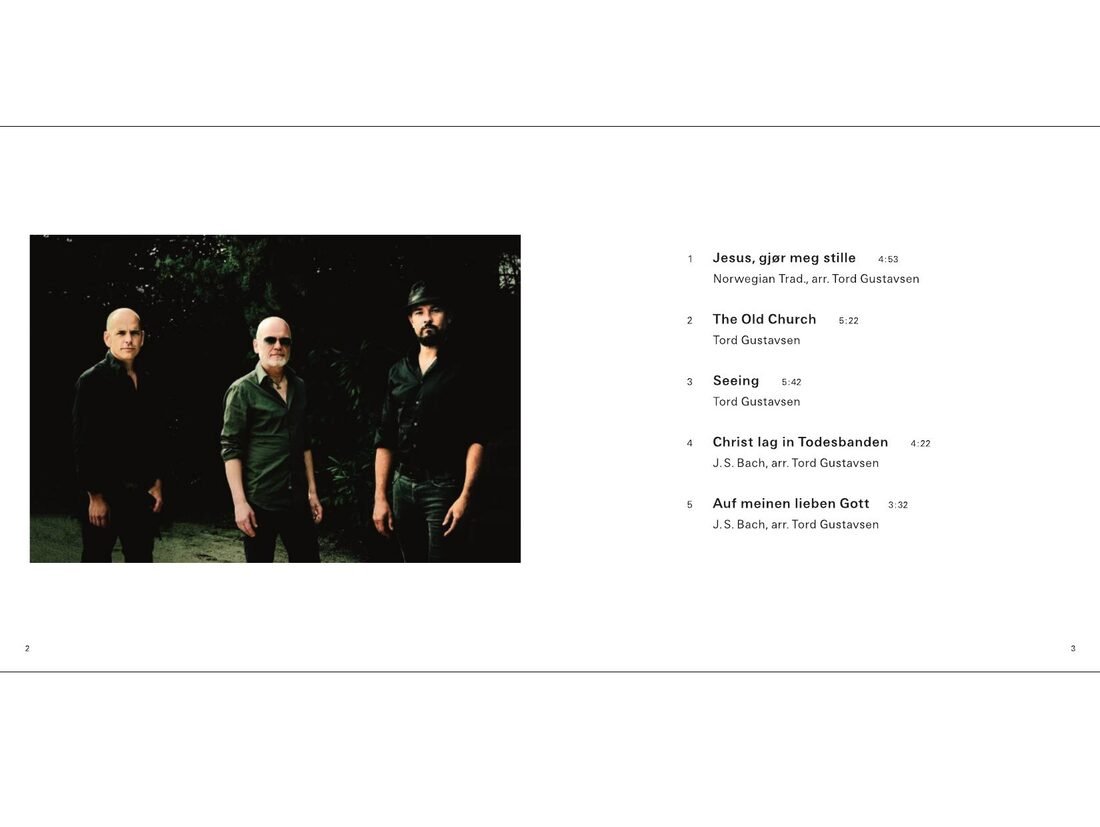
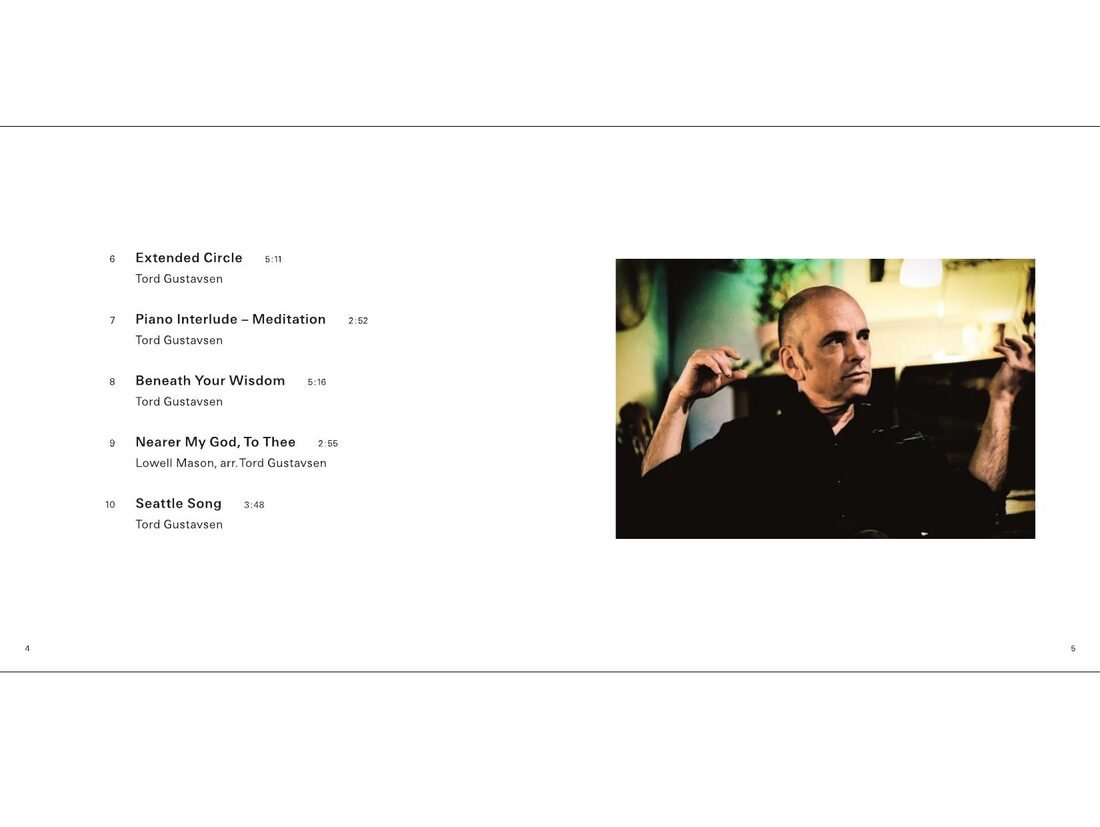
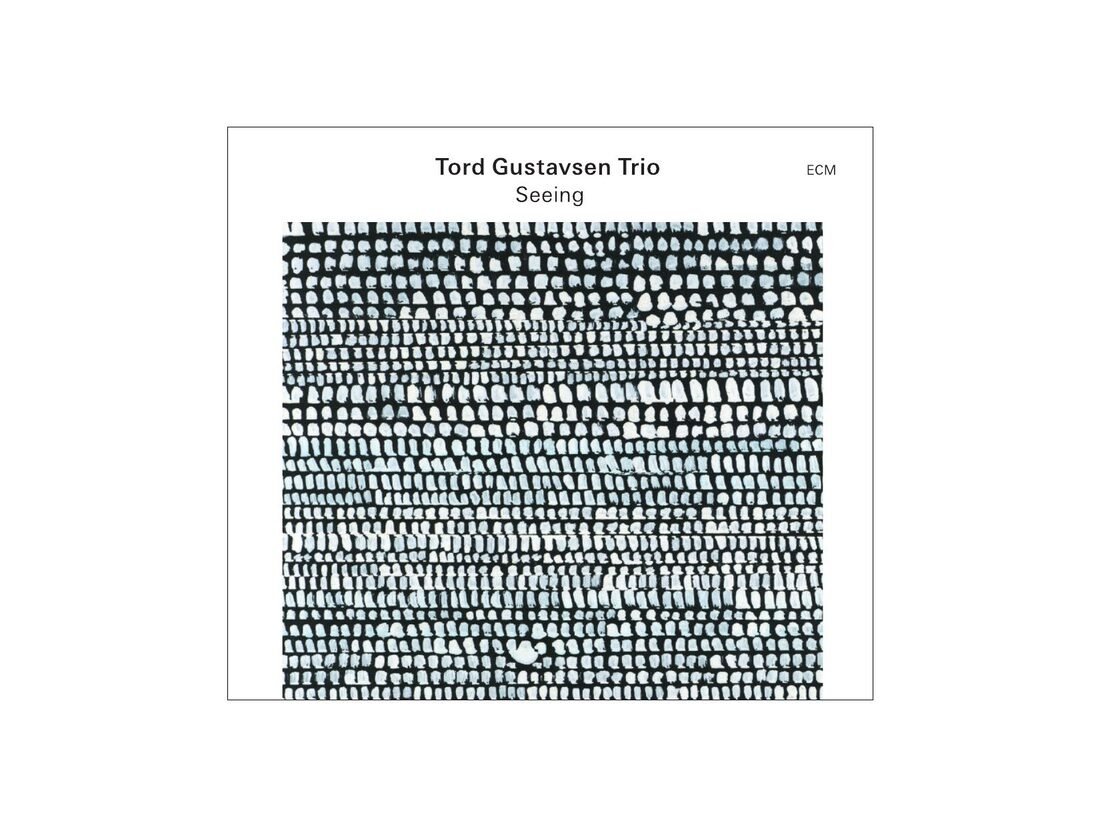
Being There · ECM 1991 · barcode 602517235175
6 pages · the original release booklet — complete programme notes and credits, exactly as issued.
- Tord Gustavsen (all pieces except 7); “Karmosin” by Harald Johnsen
- —
- Complete booklet · programme notes & credits
Further listening and reading
For the trio's whole arc, hear the trilogy in order — Changing Places (2003), The Ground (2005), Being There (2007) — then The Other Side (2018) for the later, Bach-shadowed return to the format. For the world this music comes from, the ECM catalogue itself is the library: Keith Jarrett's Belonging, Jan Garbarek's early albums, Bobo Stenson's trios, and — for the sacred kinship — Arvo Pärt's Tabula Rasa. The label's own pages, the standard ECM literature, and Gustavsen's official site fill in dates and credits; for the deeper background, anything serious on the Nordic tone, on Norwegian pietism and the hymn tradition, and on Manfred Eicher's half-century at ECM repays the time. Best of all, simply sit with the record in a quiet room, on the best system you have. It was made for exactly that.
More than fifteen years on, *Being There* has lost none of its strange gravity. It is the rare jazz record that asks you to do less rather than more — to sit, to attend, to be where you already are. That it was the last full document of Gustavsen's original trio only deepens its quiet: a music that taught a hundred thousand listeners how to listen, recorded by three friends who would never again play together in quite this way.
A note when a new essay or travelogue appears. No noise, unsubscribe in one click.